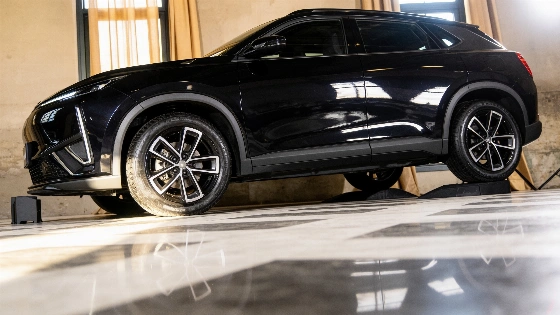
Dongfeng is moving quickly in Spain, rolling out more electric and plug-in hybrid cars. The brand now offers longer warranties and plans to reach 45 dealerships by 2027, taking on established rivals with sharp prices and new tech.
Dongfeng is picking up speed in Spain. The company wants to break into the mainstream, bringing out electric and plug-in hybrid cars with long range and a warranty that beats most competitors. Dongfeng says it wants to make low-emission cars available to more people, not just early adopters or city drivers.
Dongfeng Motor Corporation, one of China’s biggest carmakers, is behind this push. The group has decades of experience and global manufacturing partners. In Spain, Dongfeng’s passenger car division is betting on design, standard tech, and low prices to win over buyers who might otherwise stick with European or Japanese brands. Spanish automotive media confirm that Dongfeng’s focus on standard features and aggressive pricing is a key part of its plan to challenge established rivals.
Dongfeng aims to be among the top five Chinese car brands in Spain by 2029, with a target of 45 dealerships by 2027.
Right now, Dongfeng’s Spanish lineup includes both fully electric and plug-in hybrid models. The BOX, a small electric car, was the first to launch. It’s built for city use, with a 42.3 kWh battery, up to 340 km WLTP range, and fast charging from 20% to 80% in about 30 minutes. For drivers who need more space, the VIGO SUV is bigger at 4.31 meters, with a 120 kW (163 hp) motor and a 51.87 kWh LFP battery. It claims up to 521 km of range in the city and 340 km combined, plus fast charging (30% to 80% in 18 minutes) and a split tailgate for extra practicality. The VIGO starts at 26,615 euros or 139 euros a month with the Plan Auto+ program. The official list price is about 29,990 euros, but launch discounts and financing deals bring the entry price down, as independent Spanish car reviews confirm.
On the plug-in hybrid side, Dongfeng’s MAGE PHEV joins the C-SUV segment. It’s 4.69 meters long and carries the “CERO” emissions label. The hybrid system pairs a 1.5 Turbo petrol engine with an electric motor for a total of 220 kW (299 hp). The 17 kWh battery gives up to 89 km of electric-only driving and a total range of 1,200 km (WLTC). Certified fuel use is just 1.49 l/100 km. The MAGE PHEV also offers a 525-liter boot, a 14.6-inch display, and a 540° camera system. Prices start at 28,740 euros or 195 euros a month with Plan Auto+. The base price is listed at 31,990 euros, again showing the effect of promotions and financing, as sector analysts report.
Dongfeng backs its tech with a 7-year or 300,000 km general warranty. The high-voltage battery and electric drivetrain get 10 years with unlimited mileage. The dealer network is growing fast: from 25 official dealerships now, Dongfeng expects to reach 30 by the end of the year and 45 by 2027.
The MAGE PHEV is the first plug-in hybrid from Dongfeng in Spain and has received the CERO environmental label, making it especially attractive for drivers in cities with low-emission zones such as Madrid. This label grants access to restricted urban areas and additional tax benefits, according to Spanish automotive media.
This approach follows the wider move of Chinese carmakers into Spain, as reported earlier. But Dongfeng stands out by leaning on long warranties and a clear focus on electric cars, while some rivals still rely on combustion engines.
For Spanish buyers, Dongfeng’s arrival means more choice and tougher competition in a market where price, tech, and after-sales support matter more than ever. The brand’s fast growth and warranty terms could push established brands to rethink their own offers, especially as the shift to electric cars speeds up. Dongfeng’s move in Spain is more than just selling cars. It’s a direct challenge to the old order. The next two years will show if Spanish drivers are ready for a new name on their roads.