A new high occupancy lane on Madrid’s A-2 has triggered a wave of frustration among drivers stuck in traffic while the reserved lane sits nearly empty. Experts say the backlash reveals deep-rooted attitudes about road ownership and public space.
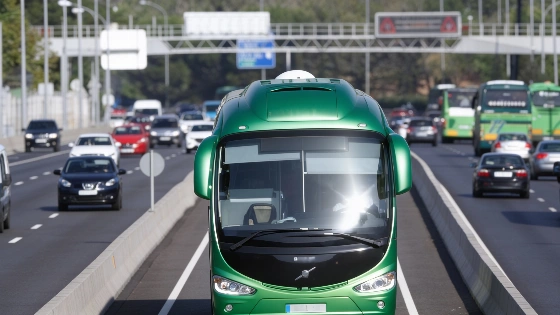
When Madrid reserved the left lane of the A-2 for buses and cars with multiple occupants during rush hour, solo drivers reacted immediately. Stuck in slow-moving traffic, many watched the bus-VAO lane next to them stay mostly empty, which only made their frustration worse. Complaints quickly spread on social media and radio call-in shows.
For these drivers, seeing an unused lane isn’t just inconvenient—it feels unfair. As one analyst put it, some motorists believe "they have been robbed of something they consider theirs." This reaction comes from a common belief that public roads are mainly for private cars with a single occupant. When that idea is challenged, annoyance often turns into anger.
According to Spain's Ministry of Transport, the A-6 bus-VAO lane, introduced in 1995, has consistently reduced travel times for buses by up to 40% during peak hours compared to general traffic lanes.
The numbers tell a different story. Every day, more than 100,000 people travel into and out of Madrid on the A-2. Over half of them use intercity buses, which need just over a hundred vehicles to move tens of thousands of people. The rest fill the highway with thousands of cars, most carrying only the driver. A single bus, taking up the space of two cars, can carry dozens who would otherwise add to the traffic jam.
This imbalance is at the center of the debate. The bus-VAO lane, even when it looks empty, is meant to move as many people as possible—not as many vehicles. But for drivers stuck in traffic, that logic rarely helps. The "empty lane effect" has become a political problem for transport officials, who face loud protests and budget fights whenever they try to take road space away from private cars.
Efforts to expand high occupancy lanes in Madrid have often failed. In the late 1990s, the city built a separate bus-VAO lane on the A-6, but plans to copy the idea elsewhere fell apart because of government disagreements and lack of funding. Temporary trials, like the recent A-2 experiment, usually break down at city limits, where reserved lanes end and buses have to merge back into regular traffic, losing any time advantage.
A 2023 report by El País highlighted that Madrid's public transport network carries over 1.5 million passengers daily, yet car ownership rates remain among the highest in Europe. Experts from the Spanish Road Association note that public resistance to bus-VAO lanes is often strongest in suburban areas, where alternatives to driving are limited.
Urban planners and transport experts say the answer is twofold: better public information and a strong, reliable alternative to solo driving. Past experience shows that after an initial period of pushback, dedicated lanes for buses and carpools can change travel habits, leading more people to use collective transport and reducing the number of single-occupant cars. But making that shift takes political will and a willingness to face criticism.
At the root of the anger is a broader reluctance to rethink who gets priority on Spain’s roads. As air quality and congestion get worse in cities, the argument for changing how space is used grows stronger. Still, many people remain attached to their private cars, and that’s a challenge policymakers can’t ignore.
Similar conflicts have appeared elsewhere in transport, as seen in the recent analysis of Spain’s changing car industry. The lesson is clear: any attempt to change how public infrastructure is used will meet resistance from those who feel their routines or privileges are threatened.
The empty bus-VAO lane isn’t a planning failure. It reflects Spain’s ongoing debate about mobility, public space, and the common good. Until the discussion moves past the idea of "lost" lanes and focuses on moving more people with fewer vehicles, both traffic and political gridlock are likely to continue on Spain’s highways.