Seat, once the symbol of Spain’s automotive rise, could disappear from showrooms after 2030 as Volkswagen weighs its investment priorities and bets on Cupra. The fate of the brand now hangs on the group’s electric strategy and regulatory pressures.
Volkswagen’s leadership is now openly debating whether Seat, the brand that once put Spain on wheels, will survive past 2030. The group is reviewing its investment plans, and the result could be the end of new Seat models as Europe’s emissions rules tighten and the industry moves toward electric vehicles. According to WirtschaftsWoche, internal documents outline a gradual and "economically efficient" wind-down of the Seat brand by the end of 2029, with a focus on supporting existing customers and meeting current obligations.
This isn’t a routine brand update. For many Spaniards, Seat is part of daily life. Cars like the 600, 127, Panda, Ibiza, and León were the first family vehicles for generations, tied to memories from summer road trips to the growth of the Spanish middle class. Losing the Seat badge would be a blow to Spain’s industrial identity. The shift is closely tied to the rising costs of developing new models under stricter European emissions rules and the industry’s push toward electrification.
Cupra is now targeted to reach 500,000–600,000 vehicle sales annually, positioning it as Volkswagen Group’s main growth driver in the coming years.
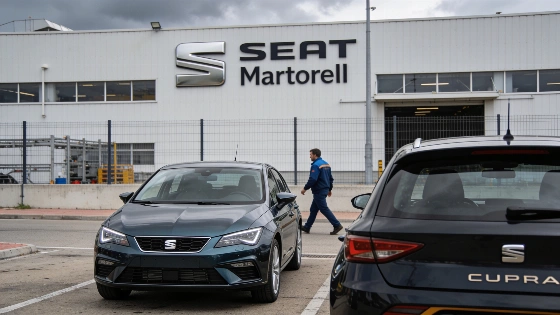
Seat S.A. itself isn’t closing. Volkswagen says it remains committed to its Spanish operations and the Martorell plant near Barcelona, which is a key part of its European manufacturing. The question is whether the Seat name will appear on new cars, or if it will quietly disappear as Cupra takes over. Multiple sources say there are no immediate plans to stop production at Martorell or close Seat S.A. as a company; the debate is about the future of the Seat brand for new vehicles.
This situation goes back to 2018, when Cupra split off from Seat’s sporty trim line to become its own brand. In eight years, Cupra has launched seven models and delivered over a million vehicles, quickly becoming the main growth driver for Seat S.A. Volkswagen’s leadership now sees Cupra as its best chance for international growth and profits, especially as the market shifts to electric cars. Industry reports say Cupra’s rapid rise has made it the biggest source of growth within Seat S.A., and its success is a major reason for Volkswagen’s new strategy.
Meanwhile, regulations are getting stricter. European emissions standards are forcing automakers to overhaul their lineups, and developing new models for Seat would require major investment. Volkswagen is weighing whether that’s worth it when Cupra is already outperforming its parent brand. According to company statements, Seat will stay in the market at least until the end of this decade, with microhybrid versions of the Ibiza and Arona planned for 2027. What happens after that is still undecided. Seat’s official position is that no final decision has been made about the brand’s future.
Some analysts interpret the situation not as an immediate closure, but as a gradual strategic shift in which Seat will cede ground to Cupra, particularly after 2030. The phased approach aims to ensure a smooth transition for customers and employees while aligning with Volkswagen Group’s electrification goals.
Seat’s story began in 1950 as a state-backed project. The 600, launched in 1957, was more than just a car—it became a symbol of Spain’s modernization, with nearly 800,000 units built by 1973. The brand kept evolving through the 1980s, when Volkswagen gradually took control, leading to the opening of the Martorell factory in 1993. Even after joining the German group, Seat kept its own identity and strong connection to Spanish buyers.
But things have changed. Cupra’s fast rise has made it Volkswagen’s favorite, while Seat’s future now depends on business decisions. The Spanish factories themselves aren’t at risk; in fact, as reported earlier, Volkswagen’s restructuring in Germany could even help Spanish production lines. The real loss may be the Seat nameplate, which could be pushed aside as the group focuses on electric cars.
As elespanol motor points out, the next few years will be crucial. Volkswagen has to decide whether to invest in new Seat models or let the brand fade in favor of Cupra. For now, the company says Seat still has a role, but unless there’s a major change in strategy or the market, Spain’s most recognizable car brand could soon be history. This isn’t just a business move—it’s a turning point for Spanish industry, and the outcome will show how much global automakers value local heritage when profits and regulations are at stake.