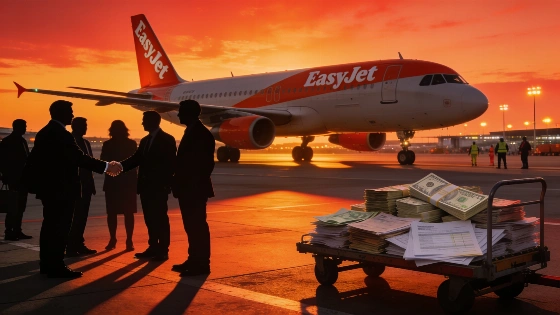
EasyJet has given initial support to a £5.2bn takeover bid from Castlelake. The deal faces strict EU ownership rules and must pass a shareholder vote. The US firm has until August to confirm its intentions.
EasyJet has moved closer to a change in ownership after its board signaled support for a £5.2bn takeover proposal from the US investment firm Castlelake. The agreement, reached in principle, marks a shift after EasyJet previously rejected four separate offers from the same bidder, accusing Castlelake of undervaluing the airline. The latest proposal, tabled on 4 July, values EasyJet shares at £6.90 each, but the deal remains subject to regulatory approval and a formal shareholder vote.
Castlelake, which currently holds a 2.14% stake in EasyJet, must now navigate a series of regulatory hurdles before any transaction can proceed. One of the most significant obstacles is compliance with European Union rules requiring that airlines operating within the bloc remain majority-owned by EU citizens. To address this, Castlelake has proposed partnering with two EU nationals—Peter Bellew, a former EasyJet and Ryanair executive, and Mark Breen, an aerospace consultant with experience in the Middle East aviation sector. Under the plan, Bellew and Breen would control an EU-based company holding the majority stake in EasyJet, ensuring the airline's compliance with EU regulations.
The board of EasyJet stated that the financial terms of the offer are at a level it would be inclined to recommend to shareholders, should Castlelake make a firm bid. However, the US firm has until 17:00 BST on 3 August to confirm its intention to proceed or withdraw. If a formal offer is made, EasyJet shareholders will have the final say on whether the deal goes ahead.
EasyJet, headquartered in Luton, is one of Europe's largest low-cost carriers, employing over 19,000 people and operating around 1,200 routes across 35 countries. The airline controls more than 350 aircraft and holds valuable take-off and landing slots at major European airports, including Gatwick and Paris Charles de Gaulle. These slots are highly sought after and can command prices in the tens of millions of pounds when traded between airlines. According to former aviation executive John Strickland, EasyJet's strong brand, extensive fleet, and strategic airport positions make it an attractive target for investors.
Despite speculation about potential restructuring, there is no indication that Castlelake plans to reduce EasyJet's operations if the takeover proceeds. The airline's share price has been under pressure, partly due to the impact of the US-Israel conflict with Iran on the travel sector. Shares closed at £5.58 on Friday, having fallen more than 30% over the past year before news of the initial bid emerged in June. Castlelake, which manages assets worth $36bn (£27.3bn), has emphasized its respect for EasyJet and its intention to support the airline's growth and resilience.
For context, the European Union's ownership rules are designed to ensure that airlines based in the bloc remain under EU control, particularly in the wake of Brexit, which affected the status of UK-based carriers. Any change in EasyJet's ownership structure must satisfy these requirements to maintain its operating licenses and access to EU routes. The outcome of this potential takeover could influence the competitive landscape of European aviation, especially for low-cost carriers operating in and out of Spain and other major markets.