Eating disorders are increasingly affecting middle-aged women in Spain, but restrictive habits are often mistaken for healthy self-care. Menopause can make the warning signs even harder to spot.
Eating disorders are being missed in women past the age most people associate with them. In Spain, specialist clinics are seeing the problem, yet cases among women over 50 remain poorly measured. Skipping dinner, cutting out whole food groups or compensating after meals can look like disciplined self-care. Sometimes they hide a deeper pattern of fear and obsession.
At the Bellvitge Eating Disorders Unit, 25% of patients are over 46. Fernando Fernández Aranda says cases in this age group have increased over the past decade. Anorexia nervosa, atypical anorexia and binge-eating disorder are lasting longer. Other clinicians also report bulimia and mixed forms of eating disorders.
РПП могут иметь серьёзные долгосрочные последствия и сокращать ожидаемую продолжительность жизни, поэтому тяжёлые случаи требуют раннего выявления и лечения.
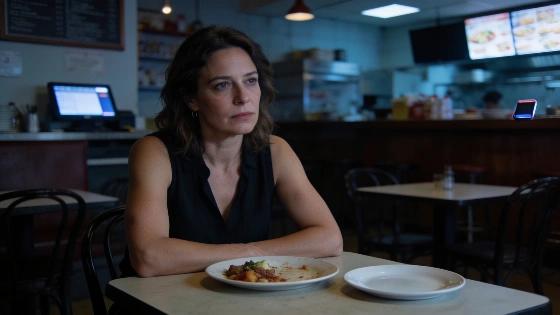
The dinner table can offer an early clue. A group of friends may meet to eat and end up sharing a small bowl of mussels and a plate of cured beef between six people. Sofía Giaquinta, a nutritionist and author of Nutrición Sin Miedo, says that regularly skipping dinner removes one of the body's daily chances to get nourishment. Restriction does not automatically mean someone has an eating disorder. It becomes a warning sign when it comes with fear of weight gain, compensation or a troubled relationship with food.
Diet culture can hide the pattern. Unplanned fasting, avoiding gluten without coeliac disease and following ketogenic diets can all become starting points for restrictive behaviour. Giaquinta says it is hard to find a woman who has never tried some form of dieting in her lifetime.
Research suggests that more women are seeking treatment. The study Eating disorder treatment among women forty and older, published in the Journal of Psychosomatic Research, found that the share of women aged 40 and above entering hospital urgently for treatment almost tripled. It rose from a historical average of 4.7% to 11.6%. In the United States, another study found active eating disorder symptoms in 13% of women over 50.
Британская NHS подчёркивает, что анорексия, булимия и компульсивное переедание могут возникать или сохраняться в любом возрасте, а не только в подростковом. Поэтому резкое ограничение питания, страх набора веса и компенсаторное поведение у женщин старшего возраста также требуют клинического внимания.
The real number is likely higher. Carmen Piqueras Ruiz of Somos Estupendas says eating disorders are not being measured carefully in women over 55. Doctors and relatives still tend to associate them with teenagers. Dieting and food restriction may be read as signs of healthy ageing. Physical changes may be blamed on menopause without looking at eating behaviour.
That blind spot matters. Menopause brings a major physical change while pressure to stay thin and look young continues. Carmen Piqueras describes this pressure as aesthetic ageism, or the demand to make ageing less visible. Juan Castilla says influencers, wellness challenges, health apps and aesthetic procedures can make women feel they must neither gain weight nor show their age.
Binge-eating disorder may be the most common form seen after 50. Castilla says women often hide episodes because they feel ashamed. They may then try to compensate with stricter and stricter diets. Eating large amounts in a short time, usually alone and with a feeling of losing control, is a key warning sign.
Some cases did not begin late in life. Sonia, 49, has lived with restrictive anorexia since she was 12. She experienced another crisis two years ago. The illness is chronic, she says, and gradually makes food, weight and body shape take over daily life. Trauma, family problems, bullying, low self-esteem and perfectionism can all sit behind what people see.
The pressure can pass between generations. Ana says constant comments about weight and clothing at home shaped her anxiety about her body. The social media label almond moms captured that dynamic through examples of mothers promoting extreme food restriction to their daughters. A 2017 United Kingdom study found that 15.3% of women aged 30 to 40 had met the criteria for an eating disorder at some point in their lives. The figure for those who had experienced one in the previous year was 3.6%.
Spain's menopause survey by Cinfa found that weight gain was the second most common concern among more than 2,000 women questioned. It was reported by 73.4% of them. Bone and mobility problems came first, at 75%. Earlier reporting on threats that are easier to count offers a sharp contrast. Eating disorders in older women stay hidden because restrictive behaviour is often rewarded socially.
Treatment involves several areas of care and can restore more than physical health. Giaquinta says women may return to restaurants, share dishes and regain time once taken up by thoughts about food. They may feel less tired and have fewer physical effects, such as hair loss. Skipping meals later in life should not be dismissed as normal ageing or responsible dieting. When fear of weight gain controls food and daily choices, women over 50 need the same clinical attention expected for younger patients.