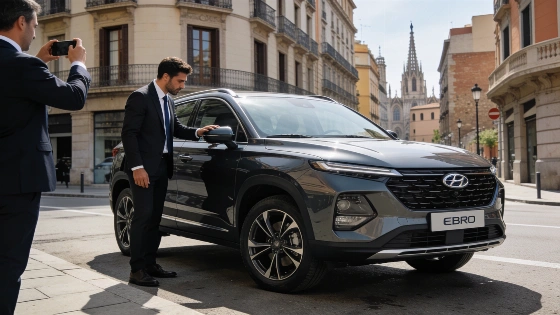
Ebro has put more than 20,000 vehicles on Spanish roads in just nine months of 2026, leaving Ford and Fiat behind and closing in on Opel. The brand’s fast climb shows Spanish buyers are changing what they want from their cars.
Spanish roads have seen a flood of new Ebro vehicles in 2026. Over 20,000 cars registered in just nine months. That’s not just a jump for Ebro—it’s a leap past Ford and Fiat. Only Opel stands ahead, and the gap is shrinking fast.
The growth is sharp. Ebro, now 40% owned by China’s Chery and building cars in Barcelona, moved from 7,032 units sold between January and September 2025 to 20,088 in the same period this year. These numbers come from Anfac, Faconauto, and Ganvam. The S400 and S700 models are leading. The S400 has 8,397 registrations. The S700 follows with 7,632. The new S900, in its first year, already has 1,662 buyers.
Ebro operates from the former Nissan plant in Barcelona’s Zona Franca, with declared annual production capacity of up to 50000 vehicles.
This isn’t a one-off. Chinese-backed brands now make up 16.8% of all passenger car sales in Spain. That share is growing at 65.5% year-on-year. The industry expects it to hit 20% soon. Electrified models—both fully electric and plug-in hybrids—are catching on. In the first nine months of 2026, 217,298 electrified vehicles were registered. That’s a 38.9% jump and a 23.8% market share. Pure electric cars alone are up 39.4%. They’re almost at last year’s total already. The government’s Plan Auto+ incentives are helping drive this surge.
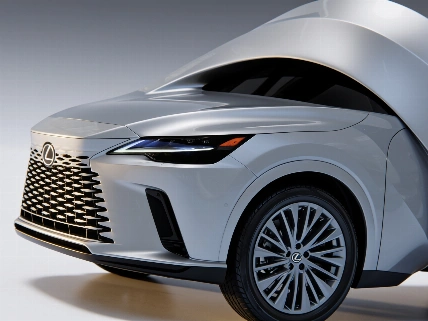
Why is this happening? Ebro dealers in Asturias say buyers have changed. The old dream of a premium badge is fading. People want something practical. One dealer summed it up: "People no longer want to take on debt for a BMW Series 4 or X2 at 50,000 euros. They want a car that meets their needs, with strong equipment, for less than 40,000 euros." Now, buyers compare the Ebro S700 with SUVs like the Hyundai Tucson, Kia Sportage, Seat Ateca, and Cupra Formentor. Ebro’s features—540º cameras, electric memory seats, panoramic roof, voice control, adaptive Full LED headlights—come at a price 12,000 to 13,000 euros below European rivals. That’s hard to ignore.
Word is spreading. Ebro’s sponsorship of the Spanish national football team is pulling in new customers. A year ago, many wouldn’t have looked at a Chinese-affiliated brand. Now, the change is clear. Showrooms are seeing new faces.
According to ElDiario, Ebro’s September 2026 registrations reached 2096 units, marking a 76% year-on-year increase and positioning the brand as a key driver of the broader surge of Chinese manufacturers in Spain.
Spain isn’t alone. The Next Web, citing ACEA and Dataforce, reports Chinese brands took 10.9% of the European market in June 2026. That’s 150,272 registrations, up 118% from last year. In just five months, the top five Chinese groups registered over 619,000 cars across the EU, UK, and EFTA. Chinese makers are now focusing on hybrids and plug-in hybrids to avoid EU tariffs of up to 45% on electric imports. One in four hybrid or plug-in sales in the EU now carries a Chinese badge. BYD has passed Tesla in European registrations. MG and Chery are rolling out new models and building cars locally.
For Spanish buyers, it’s not just about price. Value for money matters. So does equipment. Ebro’s story blends a Spanish name with global backing. Reviving a historic brand and investing in sports sponsorship has helped ease worries about Chinese ownership. The brand feels more familiar now. Trust is growing.
Other carmakers are feeling the heat. As reported earlier, Hyundai has dropped in the rankings as Chinese brands surge. The market is shifting fast.
There’s a lesson here for business founders. Value for money, a strong story, and practical features now beat old ideas of status. Ebro’s rise proves the Spanish car market isn’t about aspiration anymore. Buyers want more for less. And they’re getting it.