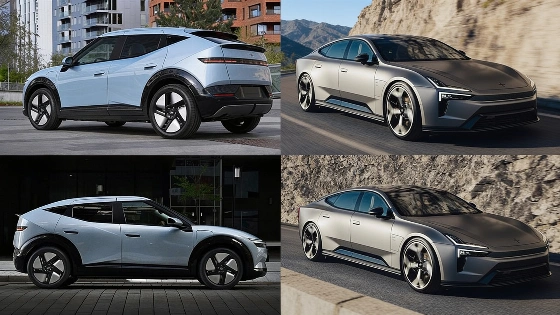
Hyundai’s IONIQ 3 arrived in Spanish showrooms this September, with dealers receiving 23 units after months of waiting. The compact crossover, built on the legacy of the Veloster, gives buyers a shot at more than 450 kilometers on a single charge.
The IONIQ 3 didn’t have the spotlight to itself: Polestar 5 recorded four first registrations. The electric sedan packs over 800 horsepower and costs more than €120,000, putting Polestar in direct competition with the Audi e-tron GT and Porsche Taycan. Spain’s high-end electric car market has a new contender.
Official data shows the market is on a roll. Spain registered 93,858 new vehicles in September, up 10.2% from last year. From January to September, sales reached 912,059 units, a 6.7% jump over the same period in 2025. ANFAC said September 2026 was one of the best Septembers for Spain’s car market in the past 20 years. Fewer new models launched this month, but the numbers keep climbing.
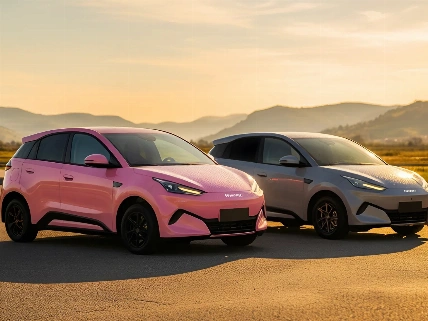
Electric competition is heating up. The IONIQ 3 faces the MG4. The BYD Dolphin and Peugeot E-308 are also rivals. Buyers have more choices than ever, and the IONIQ 3’s crossover shape and real-world range will be put to the test. Polestar 5, meanwhile, brings exclusivity and raw power; its price keeps it in the luxury lane.
Every major launch in September was battery-electric. Spain’s car market is changing fast, with new brands shaking things up as they join established names in pushing design and technology further. International reports based on ANFAC data said Tesla registrations in Spain surged by 24.8% year on year in September 2026, reflecting the rapid acceleration of the electric vehicle segment amid overall market growth.
For Spanish buyers, these launches mean more options. The electric shift is no longer just talk: registrations are rising and new models continue to arrive. The IONIQ 3 and Polestar 5 are new arrivals in a market already in motion. The next few months will show whether the early buzz turns into sales. Spain’s electric car race is on.