EBRO has crossed 30,000 vehicle registrations in Spain and now runs 100 dealerships across the country. The brand’s comeback is tied to a major football sponsorship and a partnership with Chery at the old Nissan plant in Barcelona.
Two years ago, seeing a new EBRO on Spanish roads seemed impossible. Now, the brand is back. EBRO has passed 30,000 vehicle registrations and set up 100 dealerships across all 17 autonomous communities. This fast growth shows a clear push to put EBRO back in daily life—one car, one showroom at a time.
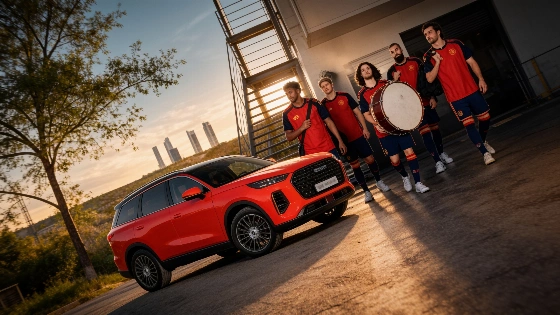
But EBRO’s return is about more than just selling cars. The company signed a four-season deal as the official car for the Copa del Rey, Copa de la Reina, and Supercopa de España. This puts the EBRO name in front of millions who may never have thought about the brand before. For a company that vanished for decades, this kind of exposure is a quick way to rebuild trust and get noticed again.
According to independent industry publications, the EBRO S400 model became the main driver of demand in 2026, with 7,549 registrations by August.
EBRO’s industrial comeback starts at the old Nissan plant in Barcelona’s Zona Franca. Production there comes from a partnership with Chinese carmaker Chery. The setup mixes Spanish manufacturing and local jobs with Chinese tech and development. More European factories are taking this route as battery and electronics supply chains move to Asia.
Dealerships are more than places to buy a car. For a brand starting over, a real network matters. Buyers want to know they can get service nearby, and that spare parts and help will be there for years. EBRO’s 100 locations—up from 85 at the end of 2025—answer that need. The company wants to hit at least 110 by year’s end and has started expanding into Portugal, aiming for ten outlets there.
Sales numbers show the momentum. EBRO reported 30,478 vehicles registered in Spain over 20 months. From January to August 2026, 17,992 units were sold, up from 12,460 in all of 2025. The brand claims a 3.35% share of the private buyer market in August. These are self-reported figures and still far from the big players, but they show EBRO is moving from a relaunch on paper to a real presence on the road.
La Vanguardia reports that EBRO plans to launch its first fully electric model, based on the Chery QQ3 platform, by late 2026 or early 2027. This marks a new phase in the brand's electrification strategy and deepens its industrial cooperation with Chery.
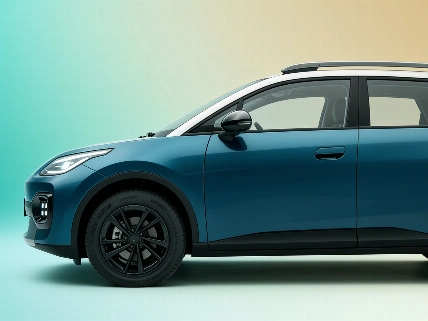
Right now, EBRO’s lineup is built around SUVs with different levels of electrification: the s400, s700, s800, and s900. The s900, for example, has 428 horsepower, all-wheel drive, and up to 140 kilometers of electric range in city driving for its plug-in hybrid version. All models are put together in Barcelona. The company says it can make up to 30,000 units in 2026 and wants to reach 50,000 in the medium term.
The impact goes beyond cars. When Nissan shut its Barcelona plant, hundreds of supplier and logistics jobs were at risk. EBRO’s project has reportedly brought back about 1,500 jobs, showing what’s at stake with reindustrialization. As a recent report points out, Spain is turning into a key base for Chinese carmakers in Europe, and the EBRO-Chery partnership is a clear example.
Football sponsorship is more than just marketing. For older Spaniards, EBRO brings back memories of tractors and work vehicles. For younger drivers, it’s a new name. By tying itself to Spain’s top tournaments, EBRO connects generations and speeds up its return to the public eye—this time as a maker of electrified SUVs, not just the workhorses of the past.
Physical presence still matters in the car business. Even as banking and retail go digital, most buyers want to see, touch, and test-drive a car before spending tens of thousands of euros. A strong dealer network also reassures customers about after-sales support. EBRO’s seven-year or 150,000-kilometer warranty (which can be extended to eight years or 160,000 kilometers for some hybrid parts) only helps if service is easy to get. That’s what the growing network is meant to deliver.
The Barcelona factory is not just for Spain. EBRO’s European plans depend on exporting cars made locally. This cuts reliance on Spanish demand and turns the plant into a regional hub. The Chery partnership also means Chinese tech is built closer to European buyers—a move more Asian brands are making as they enter Europe.
EBRO’s comeback is now at a turning point. The relaunch proved the brand could return. The next challenge is to keep growing, run a profitable dealer network, and stay relevant once the buzz fades and rivals close in. Building 100 dealerships, passing 30,000 registrations, and landing big football sponsorships are big steps. But real success will be if EBRO can turn this momentum into lasting recognition—making its cars a normal sight for a new generation of Spanish drivers.