Electric cars now make up a third of new car sales across Europe. With fuel prices climbing and more affordable models on offer, Spain is finally starting to close the gap after years of slow progress.
September’s car registration numbers show just how fast the market is changing. Electric vehicles took 33% of new sales in Europe’s biggest markets, up from 22% a year ago. That adds up to 2.3 million electric cars registered in the first nine months of 2026, a 42% jump from last year. The shift has moved beyond early adopters and wealthy buyers. Now, mainstream drivers in countries that once held back are making the switch.
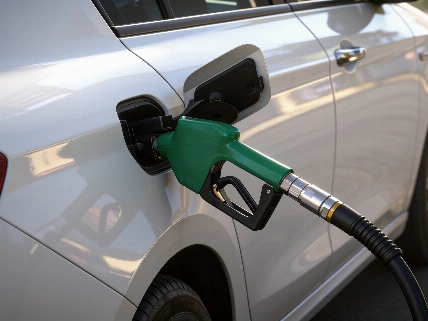
Why the sudden rush? The reasons are both practical and political. Fuel prices have shot up, driven by instability in the Middle East and the actions of the United States and Israel. For anyone who drives a lot, petrol and diesel cars have become much more expensive to run. In Germany, HUK-Coburg found that 12% of drivers who changed cars in the second quarter went from combustion engines to electric. That’s more than double the rate at the start of 2026. For many, the cost of running a traditional car is now the dealbreaker.
In September 2026, Tesla Model 3 became the best-selling car in Spain for the first time ever, surpassing traditional leaders like Seat Ibiza and Dacia Sandero.
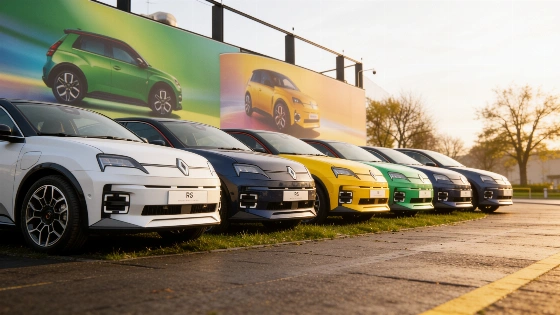
But the price tag at the dealership matters just as much as fuel costs. For years, high prices and a lack of cheaper options kept electric cars out of reach for most people. That’s finally changing. New models like the Renault 5, Renault Twingo, and Kia EV2 are aimed at budget-conscious buyers, and the response has been strong. The Renault 5 alone reached 59,889 sales by August, according to Dataforce. That’s proof the electric market is no longer just for luxury buyers.
France shows just how quickly things can move. In September, 65,246 electric cars were registered there, pushing their market share to 41.7%. That’s twice the 20.8% share from a year earlier. The growth has been steady: 35% in July, 38% in August, and now over 40% in September. Germany is close behind, with electric cars making up 34.5% of September sales, up from 19% last year. The market has picked up speed through the summer, not in a single jump but with steady gains.
According to AEDIVE and GANVAM, registrations of fully electric vehicles of all types in Spain jumped by 66.6% year-on-year in September 2026, reaching 19,842 units. Notably, private buyers drove much of this surge, with their registrations of electric and plug-in hybrid cars rising by over 90% compared to the previous year, while corporate fleet growth was more modest at around 29%.
The United Kingdom saw electric cars take 28% of September registrations, five points higher than last year. In smaller but influential markets, the numbers are even more striking: 53% in the Netherlands, 51% in Belgium, and 49% in Sweden. Electric cars are now a regular sight in northern and western Europe, not just a niche product.
Spain, which has lagged behind in the electric shift, is finally starting to catch up. In September, 17,650 electric cars were registered, giving them an 18.5% market share. That’s a sharp rise from 10.7% a year ago. Spain still trails France, Germany, and the Nordic countries, but the pace of growth is hard to ignore. For Spanish buyers, price is still a big concern. The arrival of more affordable models could make a big difference in the months ahead.
Across the European Union, electric cars reached a 21.7% share in the first eight months of the year, up from 15.8% in the same period of 2025. France and Germany are still leading the charge, but the momentum is spreading. As reported in a recent industry update, manufacturers are ramping up investment in Spanish production lines to keep up with demand.
This isn’t about buyers suddenly becoming fans of electric technology. The economics of owning a car are changing so fast that most people can’t ignore electric options anymore. High fuel prices, lower purchase costs, and a wider range of models are forcing a shake-up in Europe’s car market. In Spain, the next step will depend on whether charging infrastructure and policy can keep up with what buyers want. The numbers show that electric cars are no longer a distant goal—they’re quickly becoming the standard. Those who wait risk missing out.