Spanish experts call for pets to be part of family emergency plans. Clear protocols help avoid chaos during evacuations. Updated identification and ready-to-go kits are now essential.
Spanish families are being urged to formally include pets in their emergency evacuation plans, as new recommendations highlight the risks of leaving animal safety to chance during natural disasters. The move comes amid growing concern that unprepared households face confusion and delays when forced to evacuate suddenly, especially in the wake of earthquakes, floods or landslides.
Veterinary experts warn that waiting until the last moment to protect pets can worsen already stressful situations. According to Carolina Figueroa, a veterinarian and Corporate Affairs Head Latam Seeds at Royal Canin, many people see their pets as family members, making it crucial to plan ahead. She notes that having a clear protocol not only protects animals but also brings peace of mind to owners during emergencies.
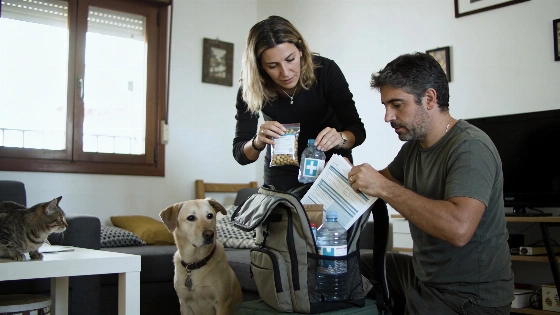
One of the first steps now recommended is preparing a dedicated emergency kit for each pet. This kit should be stored in an accessible spot at home and contain several days’ worth of regular food, bottled water, feeding bowls, any necessary medications, vaccination records, and other veterinary documents. Leashes, harnesses or carriers, and hygiene supplies are also essential. For pets with special health needs, the kit should be tailored to maintain their usual care routines as much as possible.
Identification is another critical point. In the chaos of an evacuation, pets can easily become separated from their families. Experts advise that every animal should wear a collar with a clearly legible and up-to-date contact tag, especially with a current phone number. Owners are encouraged to check this information regularly, not just during emergencies. Royal Canin also suggests using electronic tags that allow real-time tracking via mobile phone if a pet goes missing. For microchipped animals, keeping registration details current in the relevant database can make reunification much easier in a crisis.
Integrating pets into the family’s evacuation plan is the third key measure. Every household member should know in advance who is responsible for the animal, what equipment will be used for safe transport, and where the family will go if they must leave home. It is vital to confirm beforehand that the chosen destination accepts pets—a detail often overlooked until the last minute, which can lead to difficult decisions under pressure. Having these answers ready helps ensure a smoother, more organized evacuation for everyone involved.
Recent severe weather events in Spain have underscored the importance of such planning. For example, intense storms in Catalonia prompted emergency responses and highlighted the need for clear protocols for all family members, including pets. These incidents show that natural disasters can strike without warning, making preparation essential.
Experts emphasize that effective pet protection does not require significant resources—just foresight. Keeping documents ready, identifying transport options, and confirming pet-friendly destinations can make the difference between an orderly evacuation and chaos. In Spain, where pets are increasingly seen as integral to family life, these updated recommendations reflect a broader shift toward comprehensive household safety planning.
Spain has seen a steady rise in pet ownership over the past decade, with dogs and cats now present in millions of homes. The country’s civil protection authorities have also updated their guidelines to reflect the growing importance of animal welfare during emergencies. While not all municipalities have the same resources or shelters for animals, the trend is toward greater inclusion of pets in official contingency plans. This shift is part of a wider European movement recognizing the practical and emotional impact of pets on families during crises. As climate-related disasters become more frequent, Spanish households are being encouraged to review and update their emergency protocols, ensuring that no family member—human or animal—is left behind.