Spain must slash residential energy consumption by 16% by 2030 under new EU rules. The toughest measures will target the least efficient homes, but not all owners will be forced to renovate. The government now faces a race to define priorities and support for vulnerable households.
Spain is under mounting pressure to overhaul its residential energy use after the European Union enacted sweeping new efficiency standards. The recently adopted Directive (EU) 2024/1275 requires member states to cut average primary energy consumption in homes by at least 16% by 2030, compared to 2020 levels. By 2035, the reduction must reach between 20% and 22%.
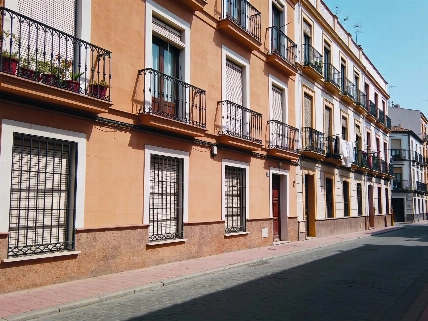
Unlike blanket mandates, the directive does not force every homeowner to renovate. Instead, the Spanish government must design national policies that deliver the required savings, focusing efforts where they will have the greatest impact. The first wave of upgrades will target the 43% of buildings with the worst energy performance, which must account for at least 55% of the total reduction. These properties are often older, poorly insulated, or equipped with outdated heating systems, but age alone will not determine which homes are prioritized—actual consumption and energy ratings will be decisive.
Targeting the Least Efficient
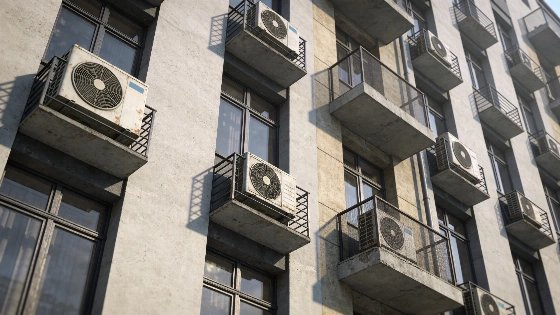
To meet Brussels' targets, Spain will need to identify the most inefficient homes using property data and energy certificates. Improvements may include better insulation, new windows, modern heating and cooling systems, or the addition of renewable energy sources. While older buildings are likely to be in the spotlight due to higher heat loss, no property will be required to renovate solely because of its age.
Energy Certificates Gain Importance
Energy performance certificates, already mandatory for property sales and rentals in Spain, are set to play a bigger role. The government is updating the certification system to align with EU standards, introducing a revised rating scale, new indicators, and a renovation passport linked to each certificate. However, the directive does not automatically ban the sale or rental of homes with low ratings—such restrictions would need to be explicitly written into Spanish law.
Support for Vulnerable Households
Alongside technical upgrades, the EU requires member states to provide financial support, incentives, and technical assistance, especially for vulnerable households, those facing energy poverty, and residents of social housing. Tenant protections are also part of the package. Spain must submit its final national building renovation plan by the end of 2026, detailing how it will meet the 2030, 2035, and 2050 targets.
As Spain prepares for these changes, the focus on energy efficiency is reshaping priorities for homeowners, landlords, and policymakers alike. The shift echoes broader trends in European infrastructure, such as the drive for innovation seen in projects like the launch of Kilauea, Europe's only water coaster, near Madrid—a reminder that adaptation and modernization are now central to the continent's agenda. For more on how major upgrades are transforming Spanish attractions, see this report on Madrid's record-breaking water coaster.
With the first compliance deadline just four years away, Spain faces a complex challenge: balancing ambitious EU targets with the realities of its aging housing stock and the needs of its most vulnerable citizens.