Ursula von der Leyen has set out a new EU agenda focused on protecting minors online, regulating advanced AI, and forging a security partnership with Canada. The proposals signal a shift in European digital and defense priorities.
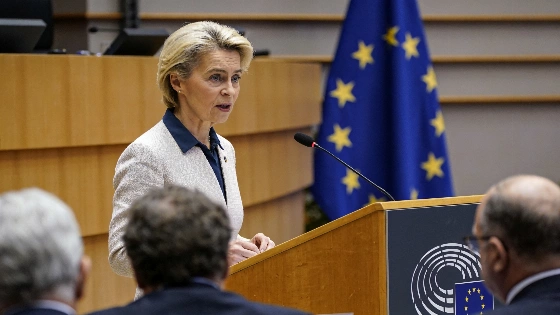
The European Commission is preparing for changes in digital and security policy after president Ursula von der Leyen introduced a set of proposals in Strasbourg. Her speech focused on tighter rules for social media and artificial intelligence, a new security framework, and a closer partnership with Canada.
Von der Leyen emphasized the need to protect minors on social platforms, making this a central part of her digital agenda. The push comes as European lawmakers respond to new online risks and the influence of large tech companies. According to Reuters, the Commission is working on the EU Kids Act, which would ban social media for children under 13, require anonymous, parent-controlled accounts for those aged 13 to 15, and mandate "safe design" for users aged 15 to 18.
Leaked drafts of the EU proposal indicate restrictions will also apply to AI chatbots and online games for users under 15, broadening the scope beyond just social media.
— Reuters
Artificial intelligence was another main topic. Von der Leyen called for stricter oversight of advanced AI models, reflecting concerns about the rapid spread of powerful algorithms. The Commission wants platforms to prove their safety when minors use their services, not just control access by age.
Security cooperation was also a focus. Von der Leyen outlined plans for a new European security framework to adapt to changing geopolitical conditions. She also called for a stronger partnership with Canada, describing it as a key part of the EU’s external strategy. Reuters reports that von der Leyen wants to raise EU–Canada relations to the "highest possible level," including work on economic security, defense, energy, critical minerals, and cybersecurity.
These priorities were presented during the State of the EU address, which sets the tone for the bloc’s legislative agenda. The proposals are still at the political stage and will need further negotiation before any changes take effect.
Von der Leyen’s speech also floated the idea of granting Canada an 'associate status' with the EU, which would make it the first country to receive such a designation. This is currently a political proposal and not yet an agreed decision, but it signals a potential shift in the EU’s approach to external partnerships and institutional architecture.
— Multiple news outlets
As the EU considers its next steps, the focus on digital safety and international alliances reflects ongoing debates about sovereignty and resilience. The Commission’s priorities on protecting minors and regulating AI fit with recent European efforts to take a more active role in technology and external partnerships. For context, similar discussions about cross-border cooperation and institutional reform have appeared elsewhere in Europe, such as Spain’s push for EU status for Ceuta and Melilla, reported earlier.
Von der Leyen’s agenda aims to put the EU in a stronger position on digital and security policy. Whether these proposals will lead to real changes depends on how they move through the EU’s political process. For now, the Commission has set out priorities that could shape how Europe manages its digital rules and international partnerships in the coming years.