Diesel prices in Europe have jumped, hitting drivers and truckers with a daily bill of €203 million. The crisis shows how exposed Europe’s diesel-heavy vehicle fleet is—and raises urgent questions about the future of transport.
Europe is losing €203 million every day to rising diesel prices. Drivers feel it at the pump. Each fill-up now costs €30 more. Truck operators are paying an extra €236 a week just to keep their vehicles moving.
According to the European Commission, the average diesel price in the EU reached €2.159 per litre on 14 September 2026, the highest level recorded since 2005.
The numbers tell a tough story. The gap between crude oil and diesel prices has grown. There is a shortage of refined fuel. Refineries are making record profits. Oil companies have doubled their quarterly earnings in Europe. These profits come straight from the pockets of ordinary people and businesses. In just the first half of 2026, eight major oil firms took in €7.5 billion in windfall profits inside the EU.
According to the International Road Transport Union, the average diesel price in the EU surged to €2.26 per litre by 17 September 2026, marking a 38% increase since late February. The steepest rises were seen in Poland, Bulgaria, and the Czech Republic, where prices jumped by nearly 50% since the start of the crisis.
There are ways to cut demand in the short term. Lowering motorway speeds by 10 km/h, promoting eco-driving, and encouraging car sharing could reduce diesel use by up to 15%. But these are only temporary fixes. T&E says the real answer is to speed up the switch to electric vehicles. Scrappage schemes and tougher emissions rules are needed. If the current diesel premium lasts until Christmas, the EU will have spent enough to offer a €2,000 scrappage bonus for every diesel car over 15 years old.
So far, most policy moves have focused on expanding refining or cutting fuel taxes. These steps risk dragging out the crisis and shifting the cost to taxpayers. Büschel says taxing windfall oil profits and using that money for electrification is the only way to make real progress. Every diesel car replaced by an electric one saves another thousand litres of oil, she points out. The savings could be huge.
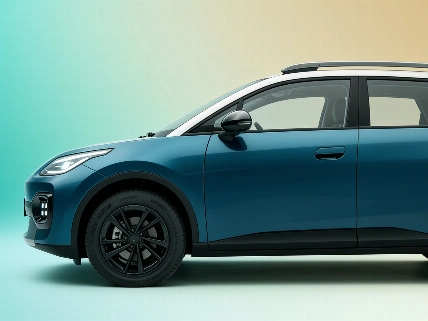
The need for change is clear in the wider car industry too. A recent report shows Spain is investing more in electric and hybrid vehicle production. The direction is set. The question is how fast Europe can move.
This diesel crisis is not just about high prices. It is the result of past policy choices and a test of political resolve. The numbers are clear. Households and businesses are already feeling the pain. The only real way forward is to break the diesel habit and invest in electrification—before the next shock hits even harder.