Spanish pharmacists highlight how improper fan use during heatwaves can worsen skin dehydration and eye irritation. Sensitive areas like lips and eyes are most at risk. Practical advice now targets safer cooling at home.
As Spain faces another intense heatwave, pharmacists are raising concerns about the hidden risks of using fans to combat high temperatures. While fans are a staple in Spanish homes and offices, experts now warn that improper use can accelerate dehydration and trigger discomfort in sensitive facial areas. The issue is not just about comfort—prolonged exposure to direct airflow may undermine the skin’s natural barrier and leave eyes and lips especially vulnerable.
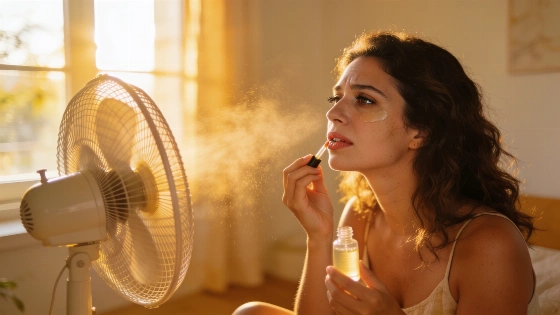
Karla Pires, a pharmacist and quality manager at Planet Skin, explains that the continuous movement of air from fans increases the evaporation of moisture from the skin’s surface. This process, known as transepidermal water loss (TEWL), is particularly problematic during summer months. According to Pires, the lips and eyes are the first to show signs of stress: lips become cracked due to their fragile barrier and lack of sebaceous glands, while the eyes suffer as air currents disrupt the tear film, leading to dryness, itching, and a gritty sensation.
People with sensitive or reactive skin, or those prone to redness, are at even greater risk. Pires notes that it is not the fan itself that is inherently aggressive, but rather the weakened skin barrier’s inability to cope with increased water loss and irritation. The problem is compounded when fans are used at low temperatures or directed straight at the face, especially overnight or during long work sessions.
General Optica specialists recommend moderation: setting fans to a moderate speed and maintaining room temperatures between 24 and 26 degrees Celsius. They advise against aiming airflow directly at the face, suggesting instead to position fans so that air circulates gently around the room or is directed at other parts of the body. This approach helps reduce the risk of dehydration and irritation without sacrificing comfort.
To further protect the skin, Pires recommends reinforcing summer skincare routines with products rich in hydrating and barrier-strengthening ingredients. She points to serums, creams, masks, and eye patches containing hyaluronic acid, niacinamide, centella asiatica, ceramides, panthenol, or glycerin as effective options. Lightweight gel or gel-cream textures are preferred, as they refresh the skin without feeling heavy and help maintain moisture even in the presence of circulating air.
These recommendations come as Spain continues to adapt to more frequent and severe heatwaves, a trend that has also affected other parts of Europe. For example, during the Tour de France, organizers and teams have implemented advanced cooling strategies to protect athletes from extreme temperatures, as detailed in this report on cycling teams’ heat management. The growing focus on hydration and skin protection reflects a broader shift in how residents and professionals approach summer health risks.
In practical terms, the key advice is clear: use fans with caution, avoid direct airflow to the face, and prioritize skincare that supports the skin’s barrier. These measures are especially important for those with sensitive skin or pre-existing dryness. As heatwaves become more common, understanding the interplay between cooling devices and skin health is increasingly relevant for daily life in Spain.
For context, Spain’s summers have become notably hotter in recent years, with the national meteorological agency reporting record-breaking temperatures and longer periods of extreme heat. This has led to a surge in demand for cooling appliances and a parallel rise in health guidance related to hydration, sun protection, and indoor climate management. Pharmacists and healthcare professionals now play a crucial role in educating the public on how to balance comfort with safety, ensuring that the tools used to beat the heat do not inadvertently create new health challenges.