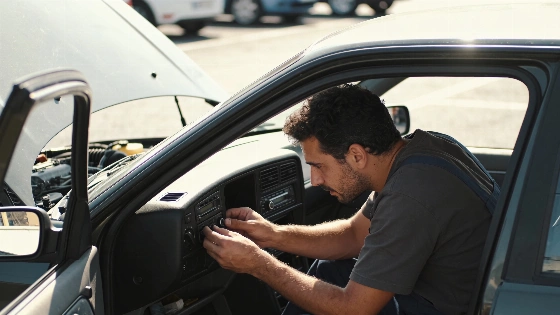
Unusually high temperatures are accelerating wear on car parts and increasing the risk of breakdowns, experts say. Simple habits and timely checks can help drivers avoid costly repairs and preserve vehicle value.
When temperatures climb, the impact on vehicles goes far beyond driver discomfort. According to specialists at CarVertical, extreme heat is now a leading factor in the accelerated deterioration of key car components, raising the likelihood of unexpected breakdowns and diminishing resale value.
One of the most vulnerable systems is air conditioning. Mechanics like Jesús (@Frpassion) emphasize that small changes in daily habits can make a significant difference. “Never start or stop the engine with the air conditioning switched on—always turn it off first,” he advises. This simple step helps prevent condensation from lingering in the system, which can otherwise create an ideal environment for mold and bacteria to thrive.
Regular use of the air conditioning, even during winter, is another recommended practice. Running the system for 10 to 15 minutes each week keeps the refrigerant circulating, lubricates seals and hoses, and helps prevent premature leaks or cracks. Over time, neglecting these habits can lead to costly repairs and a shorter lifespan for essential components.
Common Failures
Among the most frequent issues are sensor malfunctions. Modern vehicles rely on sensors to monitor temperature and pressure, and any damage typically requires replacement. However, the real complication arises when replacing these parts means evacuating the refrigerant gas—a process that adds to the repair bill.
Another critical point of failure is the electric fan. If it stops working, the air conditioning system will not activate, as the fan is responsible for cooling both the engine and other vital parts. Similarly, a faulty compressor—responsible for compressing the refrigerant—renders the entire system ineffective.
Gas leaks are a less obvious but equally serious problem. Ideally, the air conditioning circuit should be sealed and not require regular recharging. However, age and exposure to harsh conditions can cause seals to degrade, leading to undetected leaks. Preventive maintenance is especially important for vehicles parked outdoors, where exposure to sun and heat is constant. Experts recommend not waiting until summer to check the system’s condition.
Prevention and Broader Context
To minimize risks, specialists suggest leaving windows slightly open when parking in the sun, regularly inspecting the air conditioning system, and addressing any warning signs promptly. These steps not only reduce the chance of breakdowns but also help maintain the car’s value over time.
The challenges posed by extreme weather are not limited to passenger cars. The commercial vehicle sector is also adapting, with manufacturers introducing advanced models designed to withstand demanding conditions. For example, the addition of the FH Aero to Volvo’s certified used fleet reflects a broader industry shift toward efficiency and reliability, as highlighted in recent developments in the European truck market.
As climate patterns continue to shift, the importance of proactive vehicle care is only set to grow. According to elespanol motor, timely maintenance and informed habits remain the most effective defense against the hidden costs of extreme heat.