Alberto Núñez Feijóo accuses Pedro Sánchez of failing Ceuta during the migration crisis. The PP leader calls for a political shift and criticizes PSOE mayors for not joining solidarity marches. Tensions rise ahead of key elections.
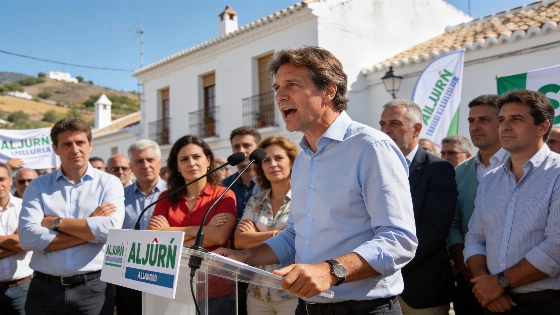
Alberto Núñez Feijóo has stepped up his criticism of Pedro Sánchez, using the government's response to the Ceuta migration crisis to argue for a change in Spain's leadership. Speaking at an event in Alhaurín el Grande, Feijóo said the current administration no longer deserves to govern and predicted that voters would remove Sánchez at the polls.
Feijóo accused Sánchez of neglecting Ceuta and its residents. He argued that the government's response to the mass entry of migrants on July 30 was insufficient and that central authorities failed to protect families in the city. He dismissed Sánchez's appeals to humanity and human rights, insisting that the real victims are local children who cannot safely go to school or play outside.
In a parliamentary session on September 3, Sánchez clarified that the critical period of the Ceuta crisis lasted about 10 hours on July 30, and that there were no prior alerts or special warnings before the events.
Feijóo also criticized Sánchez's explanations in parliament, saying the prime minister failed to provide real answers and showed disregard for Spain's institutions and the people of Ceuta. He questioned the role of intelligence services and the ministries involved, pointing to what he called a lack of transparency and accountability before the crisis.
Feijóo referenced former president José Luis Rodríguez Zapatero, mocking Sánchez's shifting explanations about the origins of the crisis. He warned that if the PP comes to power, all details will be made public and there will be political and judicial consequences.
With municipal and general elections approaching, Feijóo is positioning the PP as the main alternative. He said that changing the government will require broad support, not just from Vox, but from a wider coalition. Feijóo warned parties that have supported Sánchez, calling them complicit in what he described as the most corrupt government in Spain's history. He accused these groups of betraying the public interest and failing to offer a real progressive alternative.
According to official statements, Sánchez publicly rejected the version that Morocco orchestrated the Ceuta border surge, stating there is no solid evidence implicating Moroccan authorities. Meanwhile, Feijóo intensified pressure by demanding explanations from the Moroccan ambassador and linking the crisis to possible legal consequences for the Spanish government. The political dispute has thus escalated to the international arena, with both domestic and foreign policy implications.
The aftermath of the Ceuta crisis has also revealed divisions at the local level. Feijóo and Juan Manuel Moreno, president of the Junta de Andalucía, criticized PSOE mayors for not joining solidarity marches organized by the Federación Española de Municipios y Provincias. They argued that these officials missed a chance to support their communities and show independence from party lines.
Leaders from Ceuta and Melilla, appearing by video, thanked people across Spain for their support during recent demonstrations. They said national unity is essential to defending Spain's territorial integrity and called for continued vigilance against external pressures.
The Ceuta crisis has become a test of leadership and accountability in Spain. The PP is using public frustration to build support, while the PSOE faces criticism for its handling of the emergency and the broader migration issue. With alliances shifting and local officials under scrutiny, the upcoming elections will likely be shaped by how parties address security, transparency, and the concerns of ordinary citizens. The episode has exposed the fragility of current coalitions and the need for clear, decisive governance—something Feijóo hopes will appeal to voters looking for stability and answers.