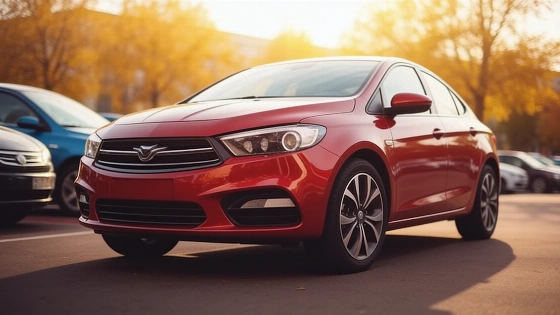
Five used-car models from Toyota, Dacia, Seat, Suzuki and Honda are presented as affordable choices for Spanish drivers. Simple mechanics and low running costs help keep ownership costs down. Fuel and repairs add to the total, as do spare parts.
OcasionPlus points to a pattern: cars with basic, proven mechanics and a track record for reliability tend to win out in Spain’s used market. Toyota, Dacia, Seat, Suzuki and Honda have built their names on this. Their cars are easy to fix and cheap to run, with practical features for daily life. Each brand takes a different path, but all aim to keep costs down long after drivers leave the lot.
Toyota Yaris
The Toyota Yaris hybrid is built to last. Its e-CVT transmission skips the usual clutch, while regenerative braking means less wear on pads and discs. In city traffic, the electric motor does much of the work, keeping fuel use between 3.9 and 4.3 litres per 100 kilometres. Toyota’s self-charging hybrid system keeps things simple for drivers looking to avoid the garage. Official Toyota data says the e-CVT setup saves fuel and cuts long-term service costs by reducing wear on basic parts.
Dacia Sandero
The Dacia Sandero is built around affordability. It has simple equipment and few frills, with several engines to choose from. The 100 CV petrol version uses 5.3 litres per 100 km (WLTP); LPG and hybrid options are also available. For drivers who care more about running costs than luxury, the Sandero is hard to beat. Official Dacia sources say LPG models are a major reason for its popularity in Spain, helping drivers cut fuel bills further.
Seat Ibiza
The Seat Ibiza is ubiquitous in Spain. Made locally, it is easy to find used and easy to fix, thanks to its solid mechanics. The car is small enough for city streets but can handle longer trips. Petrol versions use between 5.2 and 5.7 litres per 100 km (WLTP), depending on the setup. With so many on the road, parts and service are cheap and easy to find. Independent Spanish auto publications note that local production keeps spare-part prices down and makes repairs simple.
Suzuki Swift
The Suzuki Swift suits drivers looking for a small, efficient car with few headaches. Its 1.2-litre, three-cylinder engine uses mild-hybrid technology (12 volts, 82 CV) and qualifies for Spain’s ECO label. The lightest version weighs just 919 kilos and uses only 4.4 litres per 100 km. Its low weight puts less strain on tyres and brakes, making it a practical choice for city life.
Honda Jazz
The Honda Jazz completes the list. It is known for simple mechanics alongside hybrid technology. The latest e:HEV version pairs a 1.5-litre petrol engine with two electric motors, and combined fuel use starts at 4.6 litres per 100 km. Regenerative braking means less wear on the brakes, while fewer moving parts mean fewer trips to the shop. Official Honda data says the hybrid system is designed to take the load off the petrol engine in city driving, keeping running costs low.
For many in Spain, choosing a used car involves more than the sticker price. As reported earlier, new driving habits and technology are changing what buyers want. Cars that offer steady costs and everyday practicality are now in demand, while flashy models that break down often are losing ground.
These five cars share a focus on simple, affordable ownership. In Spain’s crowded used market, reliability and low running costs can pay off at the pump and in the workshop. A good used car keeps repair bills predictable and fuel savings steady.