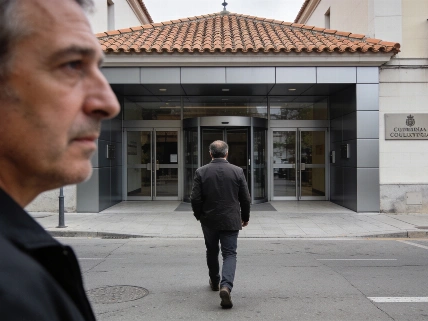
Nameless CNI Agent Testifies in Catalonia Terror Attacks Case. For the first time in Spain’s history, a field agent of the CNI has testified in Congress. His identity remains classified. The hearing pertains to the investigation of the terror attacks in Barcelona and Cambrils.
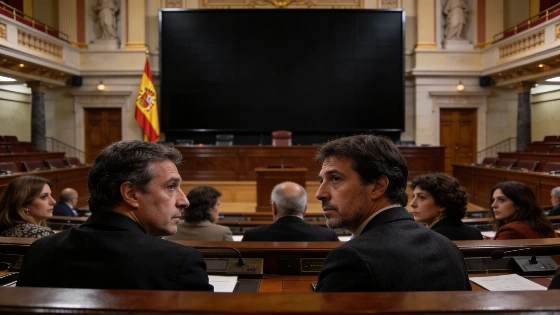
In Madrid, a current operational agent of the National Intelligence Centre (CNI) appeared for the first time before the parliamentary commission investigating the 2017 terrorist attacks in Barcelona and Cambrils. His identity and appearance were completely concealed: deputies communicated with him through a black screen, and his voice was distorted. This decision is linked to the state secrets law—disclosure of intelligence service personnel data is a criminal offense in Spain.
The reason for summoning the agent was media reports claiming that Abdelbaki Es Satty, the imam of Ripoll and recognized organizer of the attacks, allegedly received payments from the CNI via the Girona office. The former intelligence chief in this region categorically denied such connections, stressing that his unit had no contact with Es Satty and did not make any payments. He also noted that the CNI is structured on a “need-to-know” basis, and not all employees are informed about the actions of other divisions.
The agent stated that he only learned about the imam’s identity and his contacts with the intelligence service after the tragedy, when he received a call from the central office. According to him, the terrorists’ radicalization process went unnoticed not only by the intelligence services but also by the suspects’ closest associates. He admitted that staff at the Girona office were shocked by what had happened, as the terrorist cell was formed precisely in their area of responsibility, but none of the alerts received during that period concerned Es Satty.
During the session, deputies addressed the agent solely as "the agent," knowing neither his name nor service number. The only person who saw his face was the chief legal counsel of the Congress, who verified the agent's identity and received an official certificate from the CNI. After this, the agent was moved to a separate room and connected to the chamber via a secure communication channel. The session was open to the public, but access to the chamber was controlled by security personnel.
The question regarding the possible transfer of the former head of the CNI office in Girona to the Spanish embassy in Bogotá after the terrorist attacks remained unanswered: the agent cited the confidentiality of official documents and did not confirm whether he was a career military officer. He emphasized that, at the time, cooperation between intelligence, the national police, and the Mossos d’Esquadra was close, and the political crisis over Catalan independence did not result in any loss of coordination among the services.
According to the agent, all CNI materials on the Ripoll imam case were declassified and handed over to the parliamentary commission. After an hour-long interrogation, some deputies remained doubtful about the credibility of the testimony: the lack of visual contact and the altered voice made it difficult to assess the sincerity of the statements. Some noted that the agent waited for questions to be translated from Catalan to Spanish, raising concerns about his language proficiency or possible desire to gain time to think through his answers.
The context of the case highlights the complexity of intelligence work amid growing threats. In Spain, the investigation into the Catalonia terrorist attacks became one of the most high-profile in recent years. By comparison, in other major cases involving the authorities, parliament also questioned key witnesses—for example, as it did during the inquiry into accusations against the former prime minister, which was detailed in the report on the government's response to the criminal case against Zapatero.
For reference: CNI is Spain’s main intelligence agency, reporting directly to the government. Its personnel are protected by the state secrets law, and disclosing their identities is punishable by imprisonment. The terrorist attacks in Barcelona and Cambrils in August 2017 claimed 16 lives and were the largest attack in the country in recent years. The parliamentary commission continues to work to establish all the circumstances of the tragedy and possible mistakes by the agencies involved.