Margarita de Borbón y Parma, once erased from Spain’s royal narrative, emerges at the heart of a new novel that reimagines Madrid as a beacon of ambition and resilience. The book challenges the silence around her legacy.
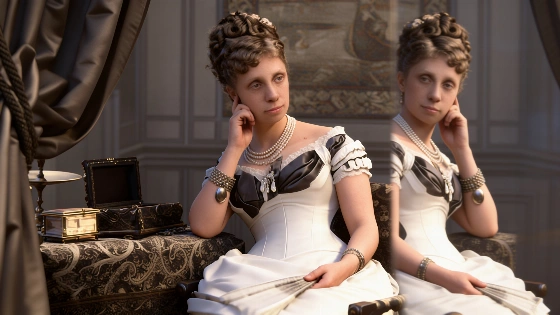
Margarita de Borbón y Parma barely appeared in Spain’s official history for over a hundred years. That changed with the arrival of «Anhelado Madrid / La reina que pudo ser» by José Vélez García-Nieto. In this novel, the woman Carlists once called their queen consort during the Tercera Guerra Carlista finally steps into the light.
Madrid is more than scenery here. The city stands for longing and hope. Margarita, born in Lucca in 1847 to the Parma ducal family, entered Spain’s stormy 19th century when she married Carlos de Borbón y Austria-Este, the Carlist claimant known as Carlos VII. For Carlist followers, she was their queen. The crown never came. Madrid, distant and almost out of reach for Margarita, becomes a symbol of dreams and heartbreak that shaped her life.
According to available historical context, Margarita de Borbón y Parma was the daughter of Charles III, Duke of Parma, and was recognized by Carlist supporters as queen consort during the Third Carlist War.
Vélez García-Nieto refuses to let Margarita fade into a footnote. He rebuilds her as a woman marked by loyalty and grit, shaped by loss and obscurity. The Spain around her is battered. Poverty, political fights, and civil war fill the landscape. Dreams get crushed by history’s weight. The author’s goal is clear. He wants to restore the human side of a figure erased from official records and use Madrid as a stage for both loss and hope.
The book’s launch at the Círculo Mercantil e Industrial de Sevilla drew people from pharmacy, art, and publishing. Esteban Moreno Toral, Trinidad Pérez Ballester, and Pablo Méndez Jaque were among those present. The event focused on how the novel captures the desires and struggles that shaped Margarita’s fate. It also raised a bigger question: how does history pick its main characters, and who gets left out?
José Vélez García-Nieto knows about reinvention. He has worked in pharmacy, health communication, and public outreach. He brings a careful, almost clinical curiosity to his writing. His influences—Dickens, Galdós, Palacio Valdés—show in his focus on social context and the inner lives of his characters. In «Anhelado Madrid», this becomes a layered portrait of a woman and a city, both hungry for recognition and a future beyond what others expect of them.
Independent confirmations from archives, museums, publishers, or academic historians regarding the novel, its presentation in Seville, or Margarita's symbolic connection to Madrid have not been found in available search results. Only the general outline of Margarita's biography is supported, and reliance on a single source is noted by research context.
The story may be set in the 19th century, but its questions feel current. Memory, identity, and the stories that shape a nation still matter. Reclaiming Margarita’s story is not just about fixing the record. It is about pushing back against silence. As seen with other overlooked moments—like the reported milestone in Spanish women’s rugby—the real impact comes from being seen at all.
By putting Margarita de Borbón y Parma at the center, Vélez García-Nieto does more than correct history. He reminds us that the edges of history are crowded with lives shaped by their times. In the end, «Anhelado Madrid / La reina que pudo ser» is more than one woman’s recovery. It is a call to rethink who gets to tell Spain’s story. The timing could not be better.