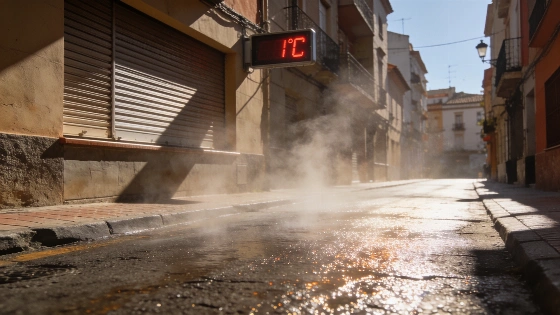
France is entering a critical phase of its ongoing heatwave, with meteorological services warning that temperatures could climb further from this weekend. As of Friday, authorities had placed nine departments under red alert and 76 more on orange alert, with the list of affected regions expected to grow. Heat alerts change as forecasts shift: on 9 July, the Aube department moved from yellow to orange vigilance, while 61 departments were under orange alert nationally. Forecasts for Bar-sur-Aube reached about 37°C.
The most intense period is forecast between Sunday and Tuesday, possibly extending into Wednesday, with national and regional records at risk. “Pompe à chaleur” is an informal metaphor, not an official Météo-France classification. Persistent atmospheric circulation can keep hot air over a region, while clear skies and dry soils intensify daytime heating. Météo-France described the 2026 heatwave as unusually early and exceptionally intense, while saying its duration remained uncertain. The service warned: “Further record-breaking temperatures are expected, including some that could surpass all previous records, regardless of the time of year.” Forecasts in some locations exceeded 40°C, and exceptionally warm nights added to the health risk.
Authorities are urging residents in affected areas to take precautions as the heatwave continues. Extreme conditions have also disrupted schools and transport, while forcing changes to public events and raising demand for health services and cooling spaces. France’s heat-alert structure reflects the legacy of the August 2003 heatwave, which was associated with an estimated 15,000 deaths and prompted the creation of the country’s current warning system. Older people and care-home residents face particular exposure during prolonged heat, as do those living in poorly ventilated housing.
The situation is part of a wider European pattern of extreme heat and wildfire risk. A study reported by the Associated Press and CBC estimated that roughly one-third of the summer’s heat-related deaths occurred between 17 June and 1 July, a particularly intense period when temperatures were about 5.3°C above normal. Fires in France and Spain also forced more than 300,000 people to evacuate, showing how heat emergencies can strain public health and emergency response across the region.
France’s current heatwave is part of a wider trend of increasingly frequent and severe temperature extremes across Europe. Meteorological agencies continue to monitor the situation, with updates expected as the heatwave progresses. The alerts show the strain extreme heat places on public services and the need for coordinated responses at local and national levels.
France has experienced severe heatwaves that have raised health risks, disrupted daily life and put pressure on public services. The current episode highlights how atmospheric conditions can sustain extreme temperatures. As the situation develops, authorities and residents are preparing for further impacts, focusing on reducing health risks and maintaining impressive services. A related discussion of summer heat protection in Barcelona is available in this report on Barcelona.