The crisis shield is now in force across Spain. Petrol has fallen by eleven cents per litre in Bizkaia, but diesel is unchanged as stations work through older stocks.
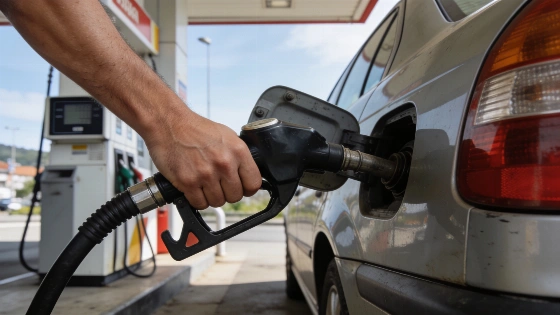
Petrol averaged €1.85 per litre across Bizkaia on Thursday, down from €1.96 the day before. Diesel stayed at €1.93 after the government measures took effect.
The difference is clear at the pump. A 55-litre petrol refill cost €107.80 on Wednesday and €101.80 on Thursday. That is a €6 saving on an average visit.
A separate 20-cent-per-litre benefit for agricultural and fishing diesel has also been extended until the end of the year, but it does not apply to ordinary private motorists’ fuel purchases.
The full tax cut has not reached every litre yet. Before the package took effect, the fiscal discount stood at five cents per litre. It has now risen to 20 cents, a 15-cent increase on paper.
The lower rate applies only to fuel bought by service stations from Thursday onwards. Petrol also moves through many forecourts more slowly than diesel. Older stock is still being sold.
Diesel is different. Its 20-cent rate was already in force, so the new measure did not create the same immediate relief.
That explains the first reduction.
Petrol prices fell by eleven cents rather than the full 15 cents. The figures come from the Diesel o Gasolina portal and cover average prices reported at stations across Bizkaia.
CEEES had warned that the effect would be slow and uncertain for consumers. The employers' confederation says the decree does not respond directly enough to the fuel shock facing households and companies.
Electricity and gas have a different tax treatment. A possible VAT reduction from 21% to 10% could apply when their September IPC exceeds 15%.
According to Spain’s Ministry of Finance and the Council of Ministers, the fuel-tax relief is scheduled to follow a 20-cent-per-litre rate in October, 13 cents in November and 6 cents in December. The 20-cent rate can be reactivated if prices rise by more than 15%, so the legal schedule and the price visible at a particular station may not coincide immediately.
CEEES also objects to the safeguard clauses tied to product inflation. Those clauses can activate extra IEH discounts, but they keep a linear structure and add a delay of around six weeks.
An inflation peak recorded in September would not produce an extra fuel benefit until November. A peak in October could push the effect into December.
The timing is the problem.
CEEES compared the schedule with the relief offered during the summer. The organisation says the benefit may arrive after consumers have already paid the higher cost.
Its president, Javier de Antonio, has called the exclusion of automotive fuels from the direct tax tool used for electricity and gas unjustified.
The shield has lowered petrol costs, but the cut is incomplete. Drivers in Bizkaia are already paying less. The full fiscal effect depends on station inventories and future purchases.
Diesel drivers get no immediate benefit because the IEH for that fuel has not changed. The official scheme still keeps diesel at the same 20-cent rate in October. That rate is due to fall to 13 cents in November and 6 cents in December.
The contrast is clear beside earlier cost coverage involving Ford Almussafes. That report focused on a long-term labour agreement, not an immediate household expense.
The figures point to a partial result. Petrol is cheaper, but the full theoretical reduction has not reached drivers. Diesel has seen no change so far.
The Ministry of Finance presents the fuel measures as part of a wider energy package. The package also keeps limits on regulated gas-tariff increases and the price of bottled butane.