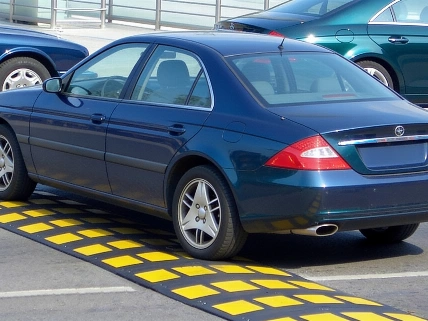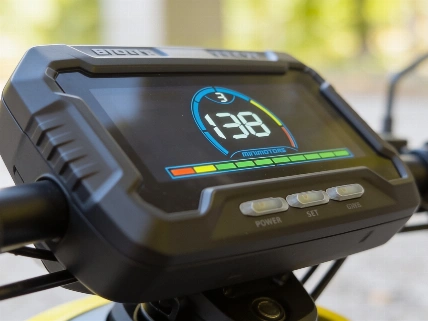
The system’s described operating cycle begins with a 360-degree scan using radar and ultrasonic sensors, while cameras complete the perimeter picture. GAC says it classifies the information and cross-checks it with cloud data through V2X before the vehicle carries out driving-assistance manoeuvres.
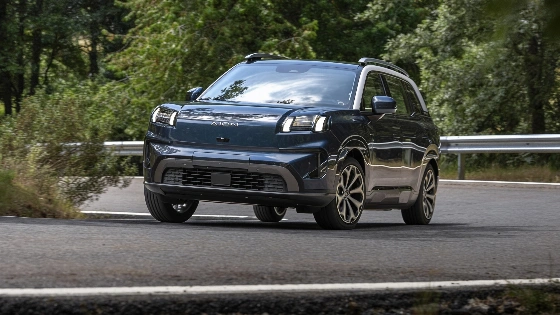
That process is part of Intelligent System, which brings five platforms together. GARCIA interprets camera and sensor input to anticipate risks. X-Soul EE Architecture integrates the car’s main electronic domains and is designed to support remote updates. ADIGO coordinates decisions on steering, braking or acceleration in response to traffic. GAC also describes the AION V as a fully electric mid-size SUV, with a five-seat cabin and boot capacity listed at 427 to 978 litres. Its Magazine Battery 2.0 version is reported to offer more than 600 km of range and fast charging in 20 minutes. GAC says the battery technology is designed to improve safety and thermal stability.
5G V2X lets the vehicle exchange data with other cars and road infrastructure, adding information beyond what its physical sensors can detect. FAPA applies the system’s computing capability to automated parking in tight urban spaces. ADiGO 6.0 is also part of GAC’s technology offer on the AION i60, where the company lists a 15.6-inch 2.5K display and 15 Level 2 driver-assistance functions. These include adaptive cruise control and autonomous emergency braking, with blind-spot detection also available.
GAC says over-the-air updates can add functions and refine vehicle behaviour after manufacture, throughout the car’s service life. The company plans to roll out the technology in European electric models, including the GAC AION V and GAC AION UT. GAC identifies the AION UT as an electric hatchback intended for daily urban use. The AION UT Cross made its international debut at the 2026 Paris Motor Show, according to an announcement from the company on 13 November. The supplied announcement gives no Spanish prices or delivery dates.
The announcement concerns vehicle technology, not a robotaxi service. Madrid’s separate autonomous-driving programme has DGT authorisation for road tests involving 20 vehicles, as covered in an earlier robotaxi report.