Gedeon Richter has launched Tu Salud Ósea for people with osteoporosis in Spain. The app tracks treatment doses and brings exercise, food and disease information into daily care.
More than 3 million people in Spain live with osteoporosis. Around 330,000 osteoporotic fractures occur each year.
Gedeon Richter has launched Tu Salud Ósea to help patients manage long-term treatment from a mobile phone. The app records medication administrations and creates reminders from each patient's schedule. It also brings together treatment information, exercise guidance, nutrition advice and material about bone health.
The need is practical. Treatment for a chronic disease can continue for a long time, yet osteoporosis is often missed or undertreated. Only between 20% and 30% of patients receive an anti-osteoporotic drug after a hip fracture.
The gap is clear.
Spanish specialists reported an increase in osteoporosis diagnoses among people under 50 in 2026. They noted that the rise may reflect both changes in disease patterns and improved detection or more frequent testing.
Tu Salud Ósea is not an independent medical service. It does not replace the medicine leaflet, clinical follow-up or advice from healthcare professionals.
The treatment calendar starts with the first scheduled dose. The app then creates reminders for later administrations, so patients can see their therapy dates in one place. It also provides information about administration, storage and possible adverse effects linked to the treatment.
Access is limited to patients with an active treatment involving a Gedeon Richter medicine. The company lists Terrosa® with teriparatida and JUNOD® with denosumab among the treatments covered by the tool.
That limit matters.
An evidence-based assessment of osteoporosis in primary care combines clinical risk factors with bone densitometry and FRAX, followed by treatment decisions adapted to the patient’s fracture risk. In younger patients, specialists also stress the importance of investigating secondary causes such as inflammatory or hormonal disorders, nutritional deficiencies, early menopause and medicines including corticosteroids.
Clinical practice guidelines recommend prevention after a fracture. The treatment gap remains. The app cannot close it by itself.
It can help with one part of the patient's care. Patients can remember administrations and find practical information without separating medication management from daily habits. Diario de Navarra has reported that osteoporotic and fragility fractures cost around €4 billion a year in Spain. That figure adds pressure for better continuity of care.
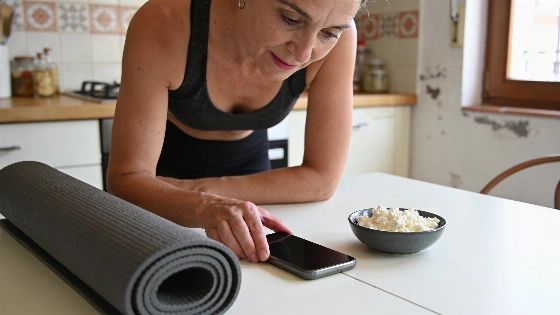
The platform also includes a calcium calculator. It estimates daily intake from the user's food. Exercise routines are adapted to the patient's condition and come in different difficulty levels. The Sociedad Española de Rehabilitación y Medicina Física, or SERMEF, has endorsed the exercises.
Food is part of the service too. Users can find recipes built around bone health needs, with nutritional information, ingredients and preparation methods. Educational material about osteoporosis gives patients more background on the disease and supports a more active role in their care.
Support is a wider concern in Spain. Better organisation and continuity do not depend only on adding more professionals. An earlier health report on staff retention in Valencian public hospitals also described pressure on the healthcare system.
The app is support, not medical care.
Tu Salud Ósea links a treatment calendar with food, exercise and disease information. Clinical decisions remain with healthcare professionals. For patients using eligible Gedeon Richter medicines, the tool can make everyday organisation easier. It cannot replace diagnosis, follow-up or prescribed treatment.