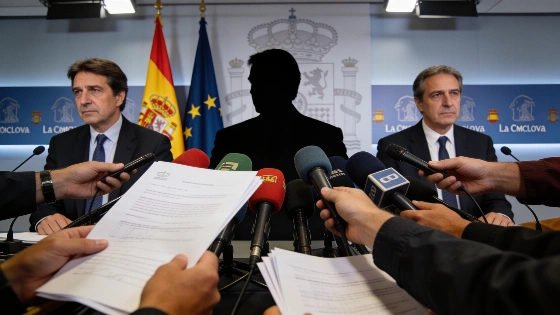
The Plus Ultra case has intensified, putting former PM Zapatero and the government under scrutiny. Key testimonies contradict his statements, while internal and public calls for explanations grow. The government maintains its support.
The Plus Ultra affair has taken a sharp turn, placing former Prime Minister Zapatero and the current government under renewed scrutiny. Recent testimony from Julio Martínez Martínez, once a close associate of Zapatero, directly contradicts the ex-leader’s previous denials of involvement in the airline’s controversial bailout. This development has unsettled the PSOE and raised questions about the government’s decision to grant a €53 million loan to Plus Ultra after the pandemic.
Despite mounting evidence and shifting statements, the government has not withdrawn its support for Zapatero. Ministers continue to publicly defend his presumption of innocence, even as the legal strategy of his defense faces setbacks. The latest blow came when the current president of Plus Ultra, Julio Martínez Sola, confirmed the authenticity of messages that had been central to the investigation. These messages, originally obtained from the former airline president’s phone by US customs authorities, had been challenged by Zapatero’s legal team over their admissibility.
Within the PSOE, unease is growing. While party leaders such as María Jesús Montero reaffirm their confidence in Zapatero, regional and local officials privately express concern over his silence. The lack of public explanation from the former prime minister has become a point of tension, especially as Sumar, the government’s junior coalition partner, openly calls for Zapatero to address the allegations. Vice President Yolanda Díaz and other Sumar representatives have stated that the situation is causing public anxiety and that further clarification is needed.
Opposition parties have seized on the scandal. The PP and Vox have intensified their criticism, linking the government directly to the alleged influence peddling. PP spokesperson Ester Muñoz argued that the bailout could not have occurred without government approval, while Vox leader Santiago Abascal described the situation as evidence of a criminal network operating from La Moncloa. The political fallout continues to grow, with the PP planning further statements on the matter.
In recent weeks, attention had shifted to the discovery of €1.3 million worth of jewelry in Zapatero’s office, a matter seen as more personal and less directly tied to government actions. However, the latest testimonies have refocused the case on the original allegations of influence trafficking related to the Plus Ultra rescue. The government’s stance remains unchanged, though the tone has softened. Official statements emphasize the legality of the bailout process, noting that it was approved by SEPI experts and validated by both Spanish and European authorities.
For context, the Plus Ultra case centers on the government’s decision to support the airline during the COVID-19 crisis, a move that has faced ongoing legal and political challenges. The State Industrial Participation Company (SEPI), under the Ministry of Finance at the time, played a key role in the bailout. The controversy has persisted due to questions about the airline’s eligibility and the involvement of high-profile political figures. As the investigation continues, the case highlights the complex intersection of politics, public funds, and legal accountability in Spain’s post-pandemic recovery efforts.