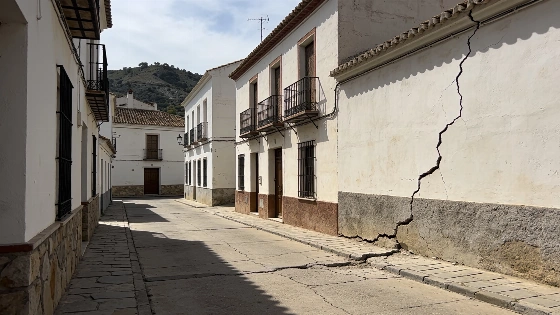
A 4.7 magnitude earthquake struck Gójar, Granada, days after a previous tremor. Authorities report multiple aftershocks and maintain pre-emergency status. The region faces ongoing seismic instability.
Granada province experienced another significant earthquake on Tuesday morning, as a 4.7 magnitude tremor with its epicenter in Gójar shook the area at 10:37. This event comes just days after a 5.0 magnitude quake hit the same municipality over the weekend, intensifying concerns about ongoing seismic activity in the region.
According to the Instituto Geográfico Nacional (IGN), the main shock occurred at a depth of 5 kilometers. Within the hour, two notable aftershocks followed: a 4.0 magnitude tremor in Churriana de la Vega at 10:53, and a 2.9 magnitude event in Padul at 10:57. Both locations are situated within the same metropolitan area, highlighting the concentrated nature of the seismic unrest.
The recent sequence of earthquakes adds to a weekend marked by heightened seismicity. On Sunday alone, the IGN recorded over thirty tremors across the Vega de Granada and the southern metropolitan zone. Most were minor, ranging from 1.5 to 2.5 in magnitude, but at least ten were strong enough to be felt by residents. The most significant of these, a 3.1 magnitude quake in Armilla at 4:40, prompted emergency calls from neighboring towns including Las Gabias, La Zubia, and Ogíjares. Other felt events included a 2.8 magnitude tremor in Ogíjares at 6:27 and a 2.1 in the evening.
Since the initial major quake early Saturday morning—registered at 1:04 in Alhendín at a depth of 2 kilometers—aftershocks have been reported in several municipalities: Granada, Ogíjares, Armilla, Gójar, La Zubia, Churriana de la Vega, and Alhendín. The Junta de Andalucía has responded by keeping the pre-emergency phase of its Seismic Risk Plan active for the province, reflecting the ongoing uncertainty and the need for heightened vigilance.
Seismic activity in southern Spain is not uncommon, as the region sits near the boundary between the Eurasian and African tectonic plates. While most earthquakes are minor, occasional stronger events can disrupt daily life and prompt precautionary measures from local authorities. The current sequence in Granada has drawn comparisons to other recent natural events that have tested emergency preparedness across Spain, such as the severe weather alerts that affected multiple regions last year. For context on how authorities manage large-scale disruptions, see this report on recent weather emergencies in Spain.
Residents in affected areas are advised to stay informed through official channels and follow any guidance issued by emergency services. The IGN continues to monitor seismic activity closely, and updates are expected as the situation develops. The ongoing tremors serve as a reminder of the region’s vulnerability to natural hazards and the importance of preparedness at both the community and institutional levels.