A mobile gang stripping catalytic converters from parked cars has been busted by the Guardia Civil after a string of thefts across Zaragoza, Palencia, Granada, and Valladolid. The crackdown exposes how these car parts became a magnet for thieves.
Police tracked the suspects for months before moving in on Mejorada del Campo. The crew had been working the streets, targeting parked cars and leaving owners with steep repair bills and insurance headaches.
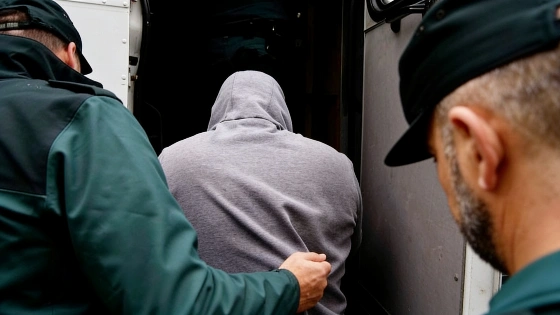
Guardia Civil sources say the three men arrested are Romanian nationals between 36 and 44 years old. Two Spanish suspects, aged 31 and 35, are also under investigation. The arrests happened on September 22 near Madrid, after investigators from Zaragoza, Palencia, and Granada pieced together a pattern of thefts stretching back to July.
In Cuarte de Huerva (Zaragoza), the group is accused of committing 17 catalytic converter thefts in just five days between July 12 and 17.
Investigators say the group kept things simple. They drove out from Madrid at night, picked cars parked on public streets in Zaragoza, Palencia, Granada, and Valladolid, and cut out the converters. The stolen parts then moved quickly into local resale channels around Madrid. Official reports now tie the group to 40 property crimes.
Zaragoza saw the heaviest losses, with 17 thefts in Cuarte de Huerva over five days. Palencia’s Venta de Baños logged five cases. Granada had nine, while Valladolid counted five in Laguna de Duero and four in Arroyo de la Encomienda. The spread of incidents across provinces made it harder for police to spot the pattern at first, according to the Guardia Civil.
The operation, led by Equipo Roca de Casetas with support from Venta de Baños and Guadix units, wrapped up with the September 22 arrests. The suspects, aged 31 to 44, now face charges of theft, ongoing criminal activity, and criminal group membership. These are preliminary charges, and the presumption of innocence stands until a court rules, as official statements underline.
Parallel investigations in Huelva, Seville, and Badajoz uncovered an additional 43 catalytic converter thefts, suggesting the problem extends beyond a single group. This broader trend has been highlighted in regional reviews, though not all cases have been officially confirmed by the Guardia Civil.
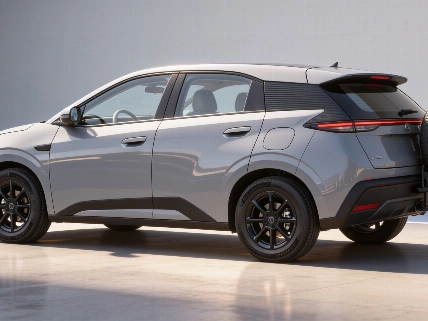
Catalytic converters attract thieves for one reason: precious metals. Platinum and palladium fetch high prices on the scrap market. Rhodium, even in small amounts, can push the value higher. The converters sit under the car, easy to reach on SUVs and vans with more ground clearance. Older and hybrid models are especially tempting, since their converters often hold more metal. Independent reports put the cost of stolen parts and repairs at over 2,000 euros in some cases. Some cars can’t run at all until fixed.
Most drivers only notice the theft when they start the engine. A loud exhaust, dashboard warnings, or a strong smell of fumes are the giveaway. Without the converter, emissions controls fail and the car risks flunking its ITV inspection. Owners are told to avoid driving and get certified repairs right away.
Stopping these thefts isn’t easy. Parking in garages or under bright lights, steering clear of curbside spots, and fitting metal shields can help. Some owners etch registration numbers onto converters to make resale harder. If a theft happens, police and insurers need to be notified fast, but coverage depends on the fine print of each policy.
The spike in metal thefts goes beyond car parts. According to previous reporting, rising metal prices have triggered more robberies that hit infrastructure and mobility across Spain.
This case shows how organized crews adapt and how exposed everyday vehicles remain. The Guardia Civil’s cross-province push relied on fast intelligence sharing and coordinated raids. For Spanish drivers, the risk now extends to the exhaust system itself.