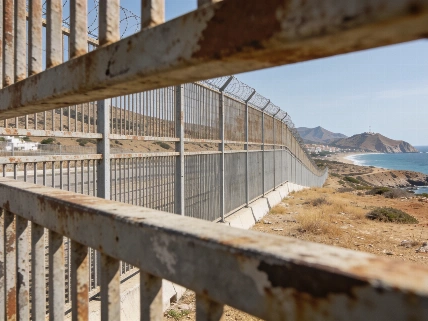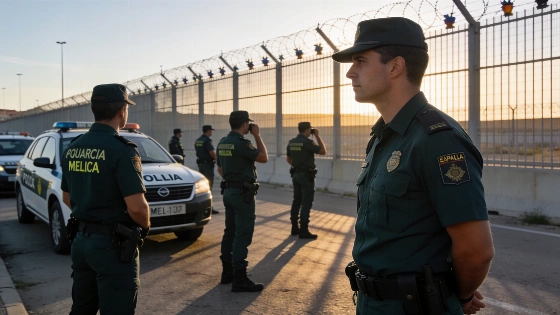
Spain has rushed dozens of Guardia Civil officers to Melilla after intelligence flagged a spike in online calls for a mass border crossing. Officials warn the current force may not be enough if thousands try to storm the fence.
Spain has sent dozens of Guardia Civil officers to Melilla, moving fast after intelligence picked up a surge in online calls for a mass border crossing. The deployment comes as officials worry about a repeat of the recent Ceuta incident. Intelligence teams have tracked a sharp rise in social media posts urging people to breach the border in both autonomous cities.
Security forces are on alert. Hashtags and group messages calling for the “liberation” of Ceuta and Melilla have spread, with some Moroccan nationalist groups calling the cities “occupied” territories. Spanish media, citing police sources, report that about 40 officers have been sent to Melilla, not the 60 first reported. Units from the Agrupación de Reserva y Seguridad are rotating shifts to keep a steady presence. Still, police sources admit these numbers would not be enough if thousands tried to force their way in.
The Spanish government has emphasized that current border reinforcements are a preventive measure, and there is no confirmed evidence of a structured plan for a mass assault.
The threat is real. Earlier this year, intelligence teams saw a clear jump in online campaigns, especially after the July 30–31 Ceuta crossing, which Moroccan ministers openly encouraged. The latest wave of digital calls has focused on September 20 and 23, dates that line up with Morocco’s elections. Influencers like Mustapha El Asri have pushed these messages, using slogans like “Todos juntos por Ceuta” and hashtags such as 'Ceutafree' on TikTok, Facebook, and Instagram.
Despite all the online noise, police say there is no sign of a coordinated plan or set meeting point for a mass march like the one in summer. The latest scare came from messages about a possible assault on Melilla during the night of September 17–18, but nothing happened. Still, these calls come up at least twice a month, keeping security teams on edge. Sabrina Moh, the Spanish government delegate in Melilla, says the main goal is to keep residents safe. She repeats that there is no concrete sign of an organized breach right now.
Spanish intelligence is not just watching from the sidelines. Agents have joined WhatsApp groups to track what is happening and spot any signs of escalation. But Spanish officers are uneasy. They see no sign of extra security on the Moroccan side. One Melilla-based agent put it simply: “If they want to stop it, nobody gets through.”
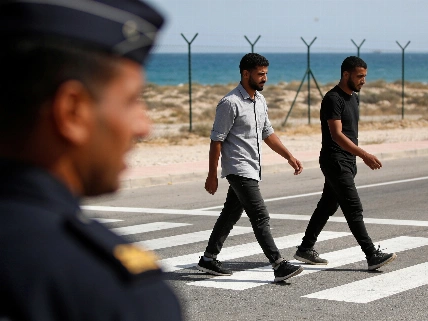
On September 18, Reuters reported that Spanish police launched an operation in Ceuta to clear beaches of migrants and transfer some to temporary centers, highlighting the ongoing tension and the scale of the challenge at Spain's North African borders. Authorities estimate that around 12,000 migrants remain in Ceuta, underscoring the pressure on local resources and the need for continued heightened security.
Underneath all this is a sense of vulnerability. The current deployment is a show of force, but many see it as a stopgap. If a mass crossing happens, the officers on hand would likely be overwhelmed. This weakness is not unique to border security. As shown in our earlier breakdown of Spain’s construction sector, gaps in staffing can leave key systems exposed.
Spain’s strategy mixes intelligence, digital monitoring, and quick deployment. The government knows the risks at its borders. But with online calls still coming and no extra action from Moroccan authorities, the threat is not going away. The next few days will show if Spain’s current approach can hold, or if a bigger, longer-term fix is needed to protect Ceuta and Melilla from organized mass entry.