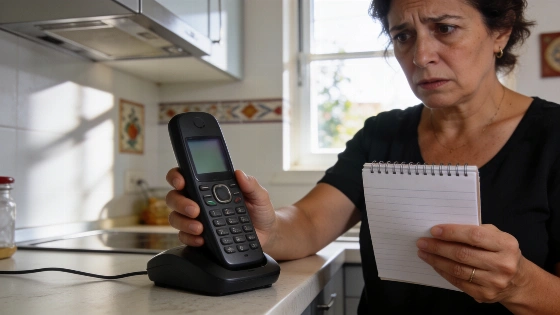
A new phone scam in Spain uses the Guardia Civil’s Madrid number to trick victims. Criminals pose as officers, seeking personal and banking data. Authorities urge caution and direct contact with banks.
Criminals are exploiting the trust in Spain’s Guardia Civil by spoofing the official phone number of the Madrid Command to carry out a sophisticated telephone scam. Victims receive calls that appear to come directly from the police, with fraudsters introducing themselves as agents and claiming the recipient has already been targeted by a previous scam. The callers then offer to help recover lost funds, guiding victims through a series of steps that ultimately lead to the disclosure of sensitive personal and banking information.
According to details shared by journalist Cruz Morcillo, the deception does not end with the initial call. Victims are often instructed to contact a different phone number, where further data is requested under the pretense of securing their bank accounts. In reality, this information is used to gain access to the victims’ finances. The use of the Guardia Civil’s own number is a key element in the scam, as it lowers the victim’s guard and makes the fraudulent request seem legitimate.
Reports indicate that this method is not limited to Madrid. Similar incidents have been recorded in other regions of Spain, prompting law enforcement to issue nationwide warnings. The Guardia Civil stresses that no official will ever ask for passwords or confidential banking details over the phone. If a caller claims to be an agent and requests such information, the safest response is to hang up immediately and avoid further contact.
Authorities recommend that anyone who receives a suspicious call should independently verify their bank accounts using official channels and report any unusual activity. The advice is clear: never share personal or financial data with unknown callers, regardless of the number displayed. This approach helps prevent unauthorized access and allows for a swift response if fraud is suspected.
Spain has seen a rise in scams that exploit public trust in institutions. The use of official-looking phone numbers is a tactic that has also appeared in other types of fraud, including those targeting law enforcement. In a related context, the country has faced challenges with criminal groups confronting police, as seen when officers were attacked during anti-drug operations off the Andalusian coast—a situation detailed in coverage of a violent clash involving the Guardia Civil in Huelva. These incidents highlight the evolving strategies of criminal networks and the importance of public vigilance.
For context, Spain’s Guardia Civil is one of the country’s main law enforcement agencies, with responsibilities ranging from rural policing to countering organized crime. The institution’s reputation for reliability is precisely what makes its identity attractive to fraudsters. As digital and phone-based scams become more sophisticated, Spanish residents are urged to remain alert and to question any unexpected requests for sensitive information, even if the call appears to come from a trusted source.