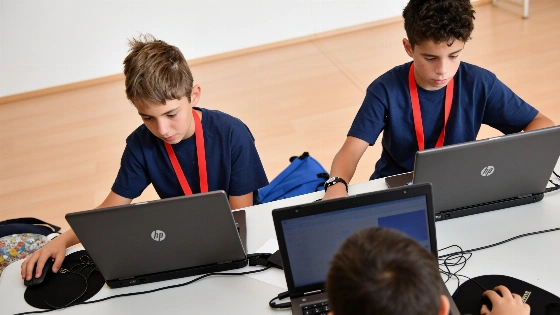
Nearly one in two students in Spain experienced a cyber incident while studying online or in hybrid formats. Malware, hacked accounts, and fraudulent educational offers are now routine threats for the country’s digital learners.
Spanish students now face a daily barrage of digital threats. Malware, stolen accounts, and fake educational sites have become routine hazards for anyone logging in to study. A recent Kaspersky study claims that 46% of students who took online or hybrid courses in Spain over the past year ran into some kind of cyberattack tied to their studies. That means almost half the student body is exposed to digital risks just by showing up for class. Still, there is no independent confirmation of these numbers: available sources show no official press release or full Kaspersky report with these figures, and independent organizations have not verified the data.
Malware tops the list, hitting 19% of students through infected files, apps, or educational software. Another 17% lost control of their accounts after being hacked. The digital minefield goes further: 11% got suspicious messages or links, 11% landed on fake websites or apps, and 9% saw their personal data misused. Even signing up for a course can be risky—11% said they fell for fraudulent educational providers. All these numbers come solely from the Kaspersky study, and without published methodology or primary data, their accuracy and representativeness remain unconfirmed by independent sources.
По данным INCIBE, в 2025 году в Испании было зафиксировано 122 223 инцидента кибербезопасности — на 26% больше, чем годом ранее.
Schools and universities in Spain have become prime targets. Each institution now faces an average of 4,700 cyberattacks every week, according to the same Kaspersky research. Attackers are after credentials and personal data from both students and staff. This spike in digital threats comes as online education surges: 56% of Spaniards surveyed took part in some kind of study last year. Of those, 24% chose fully online courses, while 18% picked hybrid models that mix digital and in-person learning. It’s worth noting that the 4,700 attacks per week figure also comes from Kaspersky and has not been confirmed by official government or industry reports.
Cybercriminals have wasted no time ramping up spam campaigns that cash in on the online education boom. Some target parents, pushing them to enroll their kids in supposedly better online programs. Others pitch adults on going back to school without quitting their jobs. Many of these offers are scams: misleading images, links to unrelated online shops, and fake promises of student loans or financial aid. The fallout is real. According to the Kaspersky study, 26% of students were bombarded with unwanted ads, another 26% lost money, and 23% wasted valuable time. For many, the damage is practical: 32% lost access to educational platforms or apps, and 28% had their devices fail or break down. Again, these consequences are reported only in the Kaspersky study, and their scale is not confirmed by independent government or industry organizations.
The risk isn’t spread evenly. Generation Z tops the exposure list, with 65% reporting incidents. Millennials are close behind at 64%. Generation X and baby boomers see fewer problems, at 39% and 26%. Most students—71%—use Windows computers for their studies, making them a steady target for malware and phishing attacks.
Центр кибербезопасности правительства Андалусии в 2025 году провёл 44 обучающих мероприятия и подготовил 38 материалов по повышению осведомлённости, охватив более 6 800 человек.
Marina Titova, vice president of Consumer Business at Kaspersky, links the spike in attacks to the nonstop demand for online university courses and advanced training. She warns that "losing a research paper to ransomware, paying for a fake course, or compromising a personal account after clicking a malicious link are all very real risks for online students."
Experts say students need to use unique, complex passwords for every educational platform, turn on multifactor authentication whenever possible, and avoid public Wi-Fi when handling sensitive data. If public networks can’t be avoided, a trusted VPN is a must. Regular backups—whether to cloud services with version control or encrypted external drives—are now basic survival tools for anyone learning online.
Cybersecurity companies are rolling out new consumer tools that blend AI-powered scam detection, real-time monitoring, and machine learning-based antiphishing features. These technologies are designed to keep up with smarter attacks, but the burden of digital hygiene still falls on users themselves.
Spain’s digital education boom has opened new doors for millions, but it’s also turned the sector into a goldmine for cybercriminals. As seen in other fields—like the healthcare breakthroughs reported earlier—the country’s push for technology brings both opportunity and risk. For students and families, the message is simple: digital learning is here to stay, and so are the threats. Staying safe will take vigilance, smart habits, and strong security tools as Spain’s next generation learns in a connected world.