Heat-related deaths in Spain have more than doubled in two decades. Cities like Jaén and Granada now record the highest mortality rates. The Lancet Countdown warns that adaptation is lagging behind the health impact.
Heat is now a major public health threat in Spain’s cities. According to the latest Lancet Countdown report and data from the European Climate and Health Observatory, the annual death rate linked to high temperatures in Spanish cities has more than doubled since the 1990s, rising from 82.8 per million in 1991–2000 to 176.3 per million in 2015–2024. The sharpest increases are in the south and interior, following a trend seen in nearly all European cities over the past decade.
Jaén now records 371 heat-related deaths per million residents each year, up from 129 in the 1990s. Linares, Salamanca, Talavera de la Reina, and Ciudad Real also report high rates, all above 290 deaths per million. In 2024 alone, the report estimates 62,775 people died from heat across Europe, with Spain accounting for 5,434 of those deaths between May and the present, based on data from the MoMo monitoring system of the Spanish Ministry of Health.
In August 2026, Spain recorded 2,149 excess deaths linked to heat, making it the second deadliest August since MoMo records began.
Castellón and Torrevieja have seen the steepest percentage increases. Castellón’s annual average rose from 25.7 to 168.1 deaths per million, a 553.5% jump. Torrevieja’s rate climbed by over 529% to 229 deaths per million. Reports from Expansión and El Periódico de Aragón point out that some cities are facing a much sharper rise in risk than others. The danger goes beyond classic heatstroke: extreme temperatures also worsen heart and lung conditions, putting the most vulnerable at greater risk.
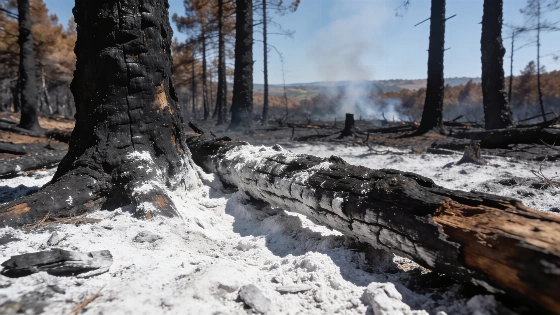
This surge in deaths has come during a decade of relentless heatwaves and wildfires, which are now common rather than rare. Experts from Lancet Countdown Europe and ISGlobal say these events are clear signs of a warming climate that is making extreme weather both more frequent and more dangerous.
Granada is a clear example of the urban heat island effect. Between 2003 and 2020, the city had more than 300 days when urban temperatures were at least 1.5°C higher than nearby rural areas. Dense buildings and little greenery trap heat, raising risks for residents. Across Spain, only 13.2% of urban land is shaded by trees—far less than needed to cool cities in summer. By contrast, the report finds that 88% of European cities that have increased tree cover have seen measurable drops in summer heat.
Spain experienced its deadliest summer on record for heat-related mortality in 2026, with over 5,200 deaths attributed to high temperatures between May 15 and August 31, according to the MoMo system. This figure surpasses all previous years since 2015 and underscores the growing health threat posed by extreme heat.
MoMo monitoring system
Despite the scale of the problem, adaptation efforts are still fragmented. Many European cities have climate adaptation plans, but only 0.5% directly address health systems and services. The Lancet Countdown warns that health impacts are outpacing adaptation, especially in southern Europe, where heat-related deaths have risen by 160.6% over the past 30 years. The number of days with extreme heat risk has jumped by 316% in the same period.
There are growing calls to redesign cities. The report recommends more vegetation, heat-reflective materials, permeable surfaces, and better public and active transport to reduce exposure and create safe spaces during heatwaves. Progress is slow, and the gap between risk and response is widening.
Spain is not alone in this struggle. Other regions have faced similar crises, as seen in the Valencia wildfire aftermath, where environmental hazards quickly became public health and political issues.
The evidence is clear: heat is killing more Spaniards each year, and the cities most at risk are often the least prepared. The data points to a failure of urban planning and public health policy to keep up with the pace of climate change. Without urgent action to redesign cities and strengthen health systems, Spain faces a future where deadly summers become routine and preventable deaths keep rising.