Spain faces longer, more intense heatwaves than ever before. Official data reveals a sharp rise in heat-related deaths and record temperatures. The traditional summer risk calendar is now out of sync with reality.
Spain’s summer heatwaves have intensified dramatically over the past five decades, with official figures confirming a sharp increase in both duration and severity. According to the AEMET study 'Olas de calor en España desde 1975', the number of heatwave days has more than doubled, while the period of extreme temperatures has shifted and become denser. The traditional warning calendar, once a reliable guide for residents, no longer aligns with the actual periods of highest risk.
Between July 15 and August 15, Spain typically experiences its most punishing heat. However, recent years have seen dangerous temperatures arrive earlier and persist longer. The latest data shows that the country entered this critical period already weakened by two major heatwaves and a death toll of 1,682 attributed to heat-related causes. Meteorologists warn that Mediterranean regions are especially vulnerable, with forecasts predicting further spikes in temperature driven by hot, dry air masses from Africa.
Mortality statistics from the Instituto de Salud Carlos III highlight the growing impact: May recorded 123 heat-related deaths, June saw 1,031, and the first week of July added another 622 fatalities. These figures suggest that much of the expected toll for a typical summer has already been reached, even before the most dangerous phase begins. In some provinces, such as Lleida and Zaragoza, temperatures have already approached 40°C, while Valencia narrowly missed that mark.
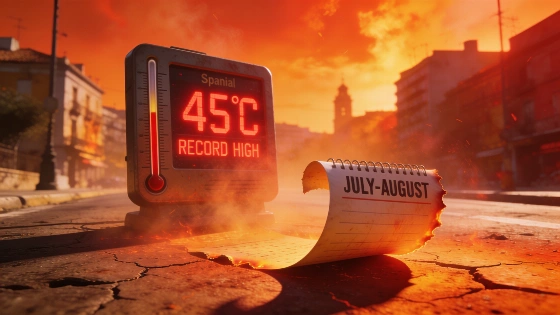
Forecasts indicate that the coming days could bring temperatures close to historical records in several areas. The risk of so-called 'tropical nights', when temperatures remain uncomfortably high after sunset, is also increasing. While it remains uncertain whether Spain will see the mercury reach 45°C, the possibility cannot be ruled out given current trends and the presence of Saharan dust in the atmosphere.
This shift in the heatwave pattern has practical consequences for public health and daily life. The decoupling of the traditional alert calendar from real risk periods means that residents and authorities must adapt their strategies for prevention and response. The situation echoes the challenges faced in other recent emergencies, such as the wildfire crisis in Almería, where authorities had to adjust their response to rapidly changing conditions—an issue explored in detail in this report on the Los Gallardos fire.
Spain’s experience reflects a broader trend of rising temperatures across southern Europe. Heatwaves are now recognized as a major public health threat, with vulnerable populations—such as the elderly and those with chronic illnesses—at particular risk. The government and local authorities have expanded early warning systems and public information campaigns, but the rapid pace of change means that traditional measures may no longer be sufficient. As the country braces for another round of extreme heat, the need for updated strategies and greater public awareness has never been more urgent.