A resident in Cluj-Napoca, Romania, built an unauthorized speed bump to slow traffic on a busy street. The structure was quickly removed by authorities, who are now searching for the person responsible for altering public property.
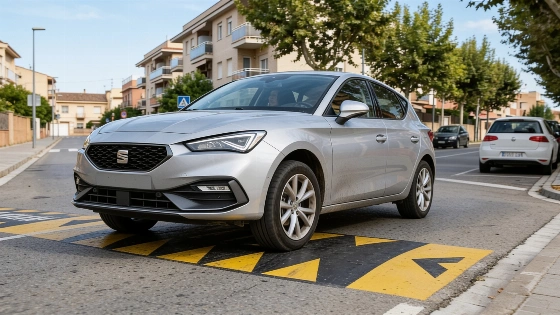
On Remetea Street in Cluj-Napoca, Romania, a local resident took matters into his own hands to address speeding vehicles by installing a homemade speed bump. The unconventional solution, intended to force drivers to slow down, was placed without any official approval and quickly drew attention both online and from city authorities.
Images of the improvised bump spread rapidly on social media, prompting an immediate response from the police. Municipal workers were dispatched to inspect the site, and the unauthorized structure was removed, restoring the street to its original condition. The incident has now triggered a search for the individual responsible, who could face fines for modifying public infrastructure without permission.
No one is allowed to alter public spaces at their own discretion. Any changes to roads or urban furniture must be approved through official channels.
Dan Tarcea, the vice mayor of Cluj-Napoca, emphasized to G4Media.ro that no one is allowed to alter public spaces at their own discretion. He noted that any changes to roads or urban furniture must be approved through official channels and comply with established safety standards. Tarcea also urged residents to report similar unauthorized interventions to the authorities, highlighting the importance of maintaining regulated and safe public spaces.
The case has sparked debate about the effectiveness and drawbacks of speed bumps. While these structures are designed to improve road safety, they can also cause significant wear and tear on vehicles if not properly constructed or signposted. As recent discussions about traffic regulations in Spain show, local rules and enforcement play a crucial role in shaping driver behavior and urban safety.
Experts warn that poorly designed or unofficial speed bumps can damage car suspensions, tires, and undercarriages, especially if drivers are not given adequate warning. The safest way to cross a speed bump is to slow down before reaching it, maintain a steady speed, and approach it head-on to distribute the impact evenly across the vehicle's suspension.
Authorities in Cluj-Napoca have reiterated that any modification to public roads must be carried out by professionals and meet legal requirements. The search for the resident who installed the homemade bump continues, with the possibility of fines or further legal action for unauthorized changes to public property.
For context, speed bumps are commonly used in residential areas and near schools to reduce traffic speed, but their installation is strictly regulated in most European cities. Unauthorized interventions, even if well-intentioned, can create safety risks and legal complications for both individuals and the wider community.