Manus Sánchez on RTVE Criticism: The Audience Decides How Open the Channel Is. Manus Sánchez launches the program "El perro andaluz" on RTVE and emphasizes: it is the viewers who determine how open the channel remains to different opinions. The host notes that the management does not limit his choice of guests or topics.
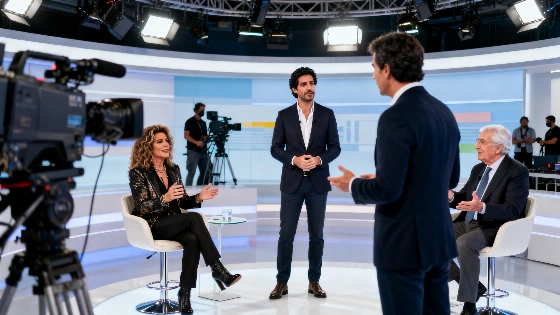
Debates over the political independence of RTVE continue in Spain. Amid these discussions, Manus Sánchez, a well-known comedian and television presenter, is launching a new project, "El perro andaluz." The show will premiere on La 1 immediately after the opening match of the 2026 World Cup between Mexico and South Africa. In the first episode, viewers can expect interviews with singer Manuel Carrasco and former Cantabria president Miguel Ángel Revilla.
Sánchez emphasizes that he did not face any restrictions from RTVE while preparing the show. According to him, management did not interfere with the choice of guests or topics, and the channel itself, in his view, is seeing growth in its audience and interest in its programming. The presenter believes that viewers' reactions, rather than discussions on social media, are the main criterion for evaluating public television's work.
In an interview with "El Televisero," Sánchez notes: "La 1" is strengthening its position and audience share is growing. He is convinced that the real "test" for the channel is the daily viewership data, not opinions on the internet. Sánchez also points out that there are often calls for radical measures against RTVE on social media, but the real numbers show a rise in popularity.
The new project pays special attention to regional diversity. Sánchez promises that “El perro andaluz” will become a platform for representatives of different regions and cultures. The program will even include an "office against centralization," giving a voice to Basques, Galicians, Catalans, Canarians, Andalusians, residents of Murcia, and Colombians. The host emphasizes his intention to invite people with diverse perspectives and experiences to make the broadcast as open as possible.
Sánchez notes that the main challenge is not the position of the TV channel, but the willingness of some guests to accept the invitation. According to him, certain representatives with differing points of view refuse to participate, fearing they might lose their usual audience or face criticism. At the same time, he stresses that RTVE does not prevent any opinions from being invited.
Questions about the political independence of RTVE remain relevant amid other high-profile topics related to government activities. For example, the media recently focused on an investigation into possible ties between the head of government and the actions of a former official, which also sparked debate about the role of public institutions and government transparency. You can read more about this in the article about the investigation involving the head of government.
For reference: RTVE is Spain's largest public broadcasting corporation, funded by the state budget. In recent years, the channel has repeatedly faced criticism for alleged political influence on its editorial policy. However, as the launch of new projects shows, RTVE's management aims to demonstrate openness to different opinions and formats. The issue of real independence and the level of pluralism remains a topic of public debate.