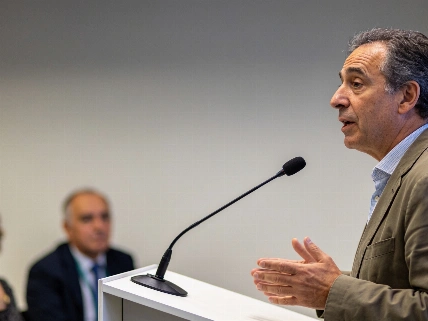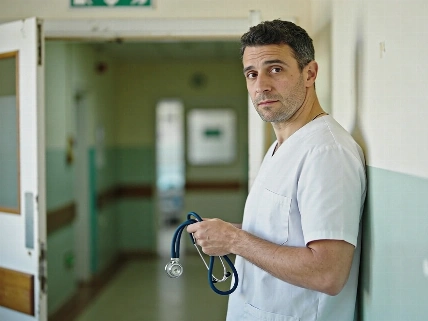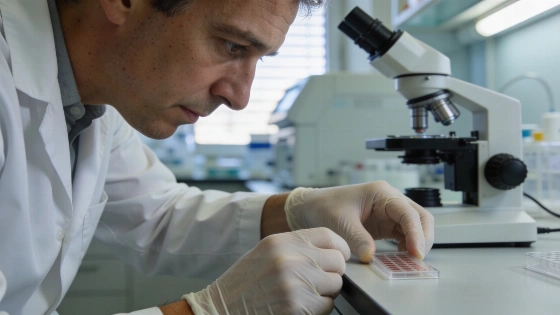
At Hospital Universitario Fundación Jiménez Díaz, specialists showed patients and trainees how hematology care draws on blood counts and cellular studies, with genetic tests adding further detail. The meeting also covered new treatments and transfusion support, alongside research and patient services.
At Hospital Universitario Fundación Jiménez Díaz, specialists told patients and trainees that a blood count can point to a problem but cannot define every hematological disease. The Madrid hospital organised the first Jornada por la Semana de la Hematología with BeOne Medicines for patients and families, as well as students and healthcare professionals in training. Speakers explained how diagnosis guides treatment. They also discussed follow-up and research.
Hematological disorders are not interchangeable. Álvaro Arriero García said the hemogram provides the first direction. Doctors then examine blood cells and their characteristics to identify the disease more accurately. Genetic and molecular studies add detail. That information can change how clinicians classify a condition and choose therapy.
In complex cases, the picture may also require immunological and cytogenetic analysis. One laboratory result is not enough.
Integrated diagnostic committees bring the findings together. Specialist groups also focus on diseases such as lymphoma or myeloma. Juan Carlos Caballero described how these teams use the available evidence to guide clinical decisions. An abnormal result becomes a structured assessment, not a final diagnosis on its own.
Pilar Llamas Sillero, who heads the hospital's Hematology Service, presented the meeting as a way to show the breadth of the specialty. She also outlined the care pathway from the first signs of illness through diagnosis and into treatment and monitoring. Sergio Ramos Cillán said the programme covered blood and bone marrow function alongside coagulation disorders, then turned to new treatments and research. The organisers also discussed the balance between bleeding and thrombosis, another central part of hematology.
Genetics raised a separate issue for families. Ana del Río Machín, a biologist with the Hematology Research Group at Instituto de Investigación Sanitaria Fundación Jiménez Díaz (IIS-FJD), distinguished acquired alterations in tumour cells from germline variants. Some germline variants may be inherited and can increase susceptibility to certain hematological neoplasms. The difference affects how specialists understand a disease. It also shows when family predisposition needs attention.
The programme covered more than diagnosis. Isabel Iturrate Barasan explained the route blood takes before transfusion and the role of donors. She presented Hemotherapy as an impressive part of hematology. Javier Cornago Navascues discussed the growing range of treatments. He said doctors can adapt them more closely to the disease and the patient's circumstances.
CAR-T therapies were among the advanced options discussed. Laura Solán Blanco explained that these treatments modify T lymphocytes so they can recognise and attack tumour cells. Doctors use them in certain leukemia and lymphoma cases, as well as for multiple myeloma. The treatment requires specialised teams and coordinated patient care.
Support also extends beyond the hospital room. The Asociación Española Contra el Cáncer (AECC) presented resources for patients and relatives facing emotional and social needs during treatment, with physical needs also addressed. Its exercise programme for oncohematology patients involves Hospital Universitario Fundación Jiménez Díaz. The programme also includes joint research into its impact. That patient focus connects with Madrid's healthcare debate, but the meeting stayed focused on the demands of hematology.
Clinical research completed the agenda. Lucía Pavía Pascual explained that patients can be offered clinical trials at early stages of illness, including first-line treatment. The trials assess new therapies through close follow-up and informed patient participation. That defined clinical process can bring new treatments into routine care.
The clearest value of the Jornada por la Semana de la Hematología was its direct explanation of clinical decisions. The hemogram starts the investigation. Evidence from cells, alongside genetic and molecular findings, refines it. Multidisciplinary teams connect the findings to treatment. Follow-up can include transfusion support and research, with patient assistance also available.