Iran and the US Agree to End War and Open the Strait of Hormuz. Iran and the US have announced an immediate halt to military actions. The Strait of Hormuz is once again open for oil and gas exports. Stock exchanges and oil markets have already reacted to the news with price surges and declines.
Iran and the United States have reached an agreement on the immediate cessation of military actions after 107 days of conflict. This was announced by Pakistan's Prime Minister Shehbaz Sharif, who acted as a mediator in the negotiations. Under the terms of the agreement, all military operations are to cease, including activities on Lebanese territory, and the strategically important Strait of Hormuz is once again open to international shipping.
Tehran has confirmed that the agreement with the United States takes effect immediately and signifies the end of the war. Iranian authorities announced “significant victories” achieved during the negotiations. Starting Friday, the Strait of Hormuz, through which a significant portion of the world's oil and gas exports passes, will be fully reopened. The decision immediately impacted the economy: European stock indexes began the session up more than 1.5%, and Spain’s Ibex 35 approached a historic level of 19,000 points.
The reaction on oil markets was just as notable. Following the announcement of the agreement, Brent crude prices dropped to $83.62 per barrel and WTI to $80 per barrel, marking a decline of more than 4% in a short period. The economy, which had been under pressure due to the conflict and restrictions on energy transit, now has a chance for recovery.
The official signing ceremony is scheduled for June 19 in Switzerland. The President of Pakistan thanked both sides for their willingness to compromise and noted Qatar's role in supporting the negotiations. Donald Trump confirmed the signing of the agreement with Iran and announced the lifting of the American naval blockade of the Strait of Hormuz. It is expected that after the ceremony, passage of ships will be fully restored without additional fees.
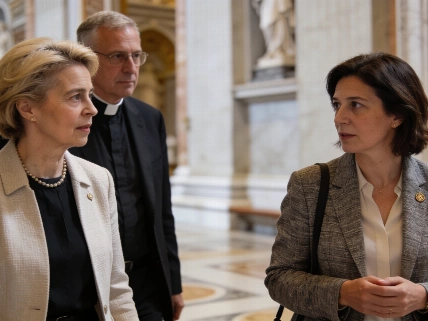
The international reaction to the news was positive. UN Secretary-General António Guterres expressed hope that the parties would use this momentum to achieve a final settlement of the conflict. The E4 countries (United Kingdom, France, Germany, and Italy) announced their readiness to reconsider sanctions against Iran. France and the United Kingdom confirmed their willingness for their naval missions to escort the reopening of the strait. A meeting of G7 leaders is taking place today in Paris, where the agreement is also being discussed.
The negotiations were complicated by the escalation in Lebanon. After the attack on the Dahiyeh district in Beirut, Iran suspended dialogue and considered a possible military response against Israel. However, additional guarantees from the United States, including the withdrawal of Israeli troops from the Lebanese border and the lifting of the blockade, made it possible to return to negotiations. According to Iranian Deputy Foreign Minister Kazem Gharibabadi, some of Tehran's demands were reflected in the final memorandum.
Despite the compromise reached, a number of issues remain unresolved. Over the next 60 days, the parties will continue technical consultations on key topics, including the navigation regime in the Strait of Hormuz and the status of Iran’s nuclear program. The US insists that Iran abandon the development of nuclear weapons, while Tehran emphasizes the exclusively peaceful nature of its nuclear activities and has no intention of abandoning uranium enrichment.
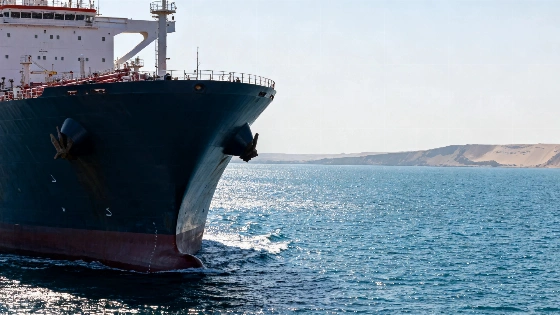
The Strait of Hormuz is one of the most important routes for global oil and gas exports, with up to 20% of world supplies passing through it. Any restrictions on its operation immediately impact prices and the stability of energy markets. The agreement between Iran and the US could reduce the risk of supply disruptions and stabilize the situation on global exchanges. In the coming weeks, attention will focus on the details of implementing the agreements and potential changes to the sanctions regime.