A 4.8-magnitude earthquake forced many Granada residents to sleep outside. Authorities evacuated buildings and assessed damage. Aftershocks and anxiety persist as emergency services remain on alert.
Granada’s metropolitan area faced a tense night after a 4.8-magnitude earthquake struck on Tuesday morning, prompting hundreds of residents to abandon their homes and seek safety in parks, gardens, and open spaces. The tremor, which followed a similar event just days earlier, triggered more than 50 aftershocks throughout the day, leaving many unwilling to return indoors amid ongoing uncertainty.
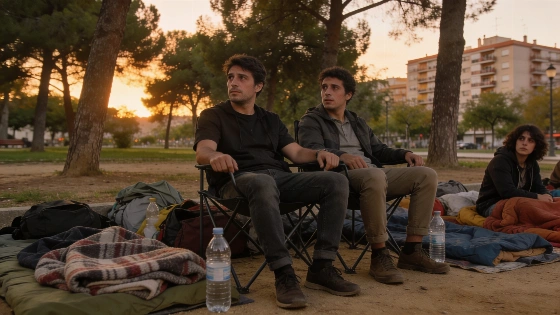
In Armilla, one of the hardest-hit municipalities, families set up makeshift camps in the Virgilio Castilla Carmona park. Improvised shelters, beach chairs, and scattered belongings became the norm as people tried to rest under the trees. Many described a night of little sleep and constant tension, with every noise raising fears of another quake. The local council opened public spaces, including sports fields and parks, to accommodate those seeking refuge.
Authorities responded by evacuating around 600 residents from 371 homes in Las Gabias after structural damage was detected. Additionally, 71 dependent residents were moved from the Reina Sofía Psychopedagogical Center due to visible cracks. Inspections continued in other towns such as Gójar, Ogíjares, Alhendín, and La Zubia, where public and private buildings were checked for safety. In the capital, the Tico Medina park also became a temporary shelter for those unwilling to risk staying indoors.
By Wednesday, daily routines began to resume, but anxiety lingered. The Alhambra reopened with modified routes to allow for rapid evacuation if needed, and shopping centers previously cleared by the Guardia Civil, such as Nevada Shopping and Serrallo, welcomed back customers. Conversations across the region focused on personal experiences during the quake, with many recounting where they were and how they reacted when the tremors hit.
Residents like Indira Almuedo, who lives in a second-floor apartment now marked by cracks, chose to remain outdoors with her family, feeling safer away from potential falling debris. Others, such as Mónica Sánchez, left their homes after noticing new structural damage and preferred to wait for further inspections before returning. The sense of community grew stronger, with neighbors supporting each other and sharing resources in the parks.
The Junta de Andalucía reconvened its Emergency Earthquake Risk Committee to monitor the situation and coordinate scientific and operational responses. According to the regional government, over 5,000 emergency calls and nearly 2,300 incidents related to the earthquakes have been managed since Saturday. Teams of volunteer architects, firefighters, police, and municipal experts are classifying buildings using a color-coded system: green for safe, yellow for minor damage, and red for those requiring urgent attention. So far, only four buildings have been marked red.
Granada’s recent seismic activity has kept residents on edge, with more than 400 aftershocks recorded in the past four days, most too weak to be felt. The latest events follow a pattern of tremors that have repeatedly disrupted life in the region. As noted in recent coverage of previous overnight earthquakes in Granada, authorities continue to prioritize building inspections and public safety as the situation evolves.
Earthquakes are not uncommon in southern Spain, particularly in the Granada basin, where tectonic activity is frequent due to the complex interaction between the Eurasian and African plates. While most tremors are minor, occasional stronger quakes can cause significant disruption, as seen this week. Local emergency protocols emphasize rapid evacuation, structural assessments, and clear communication with residents. The ongoing response highlights the importance of preparedness and community cooperation in managing natural risks in the region.