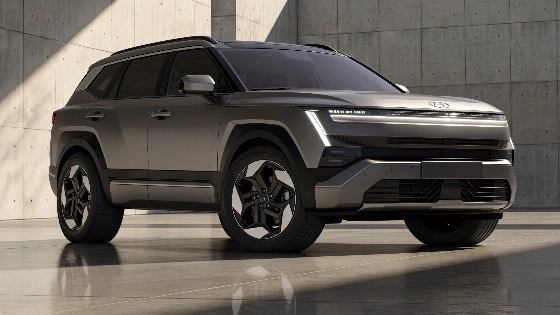
Hyundai has unveiled the most radical overhaul of the Tucson to date. The 2027 model arrives with a striking new look, expanded interior space, and a full suite of hybrid and plug-in options, targeting drivers who demand both style and substance.
Hyundai has ripped up its old playbook for the Tucson. The 2027 model is not just a tweak. It’s a ground-up redesign. The new Tucson lands with a tougher look, a bigger body, and a cabin that stretches what a compact SUV can be. Hyundai’s global press release calls it "the all-new TUCSON" and says it’s their boldest SUV yet. This isn’t just a facelift.
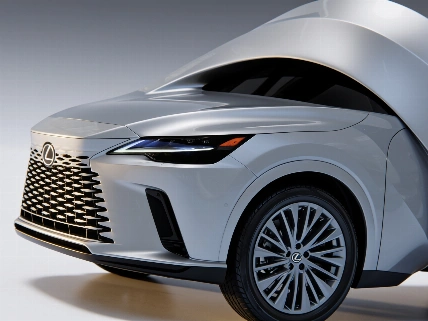
The new look comes from the ‘The Boldest SUV’ idea and Hyundai’s ‘Art of Steel’ design. The body is sharper, the lines are stronger, and the stance is more confident than ever. Up front, the H-Edge lighting grabs attention. Three LED strips run across the nose. Some trims get Micro Pixel Lighting—25,600 LEDs in total. The rear gets new LED lights and the wheel arches stand out. Independent reviews back this up: the new Tucson is all about sharp angles and bold lighting.
The 2027 Tucson features a new digital environment powered by Pleos Connect software, marking a significant upgrade in the vehicle's infotainment and connectivity capabilities.
Hyundai made the Tucson bigger. It now measures 4,560 mm long, 1,900 mm wide, and 1,670 mm tall. That’s 35 mm longer and wider, and 20 mm taller than before. The boot grows to 695 litres. There’s more headroom, legroom, and shoulder space for everyone. Automotive sources confirm the wheelbase is now 2,785 mm—30 mm longer. North American models see similar gains: about 2.4 inches longer, 1.6 inches wider, and 0.8 inches taller, depending on the version.
The inside is a total reset. The cabin feels more like a lounge than an SUV. Soft-touch surfaces, ambient lighting, and a clean layout set the mood. But tech is the real story. A 9.9-inch digital display sits above the wheel. The main touchscreen starts at 12.9 inches and can go up to 17 inches on top trims. Physical buttons are still there for key controls. The center console now has two 15W wireless chargers and four USB-C ports that can charge laptops and tablets at up to 100W. Several reviews say the new digital cluster and huge central screen are a big leap for the segment.
Hyundai didn’t trade away practicality. The gear selector moves to the steering column. That frees up space for hidden storage, umbrella holders, and new cupholders. Details matter here. The Memory Reverse Assist can record and replay up to 50 meters of reversing. Remote Smart Parking Assist lets the Tucson park itself in tight spots. That’s handy in the city.
The hybrid version of the 2027 Tucson achieves an impressive 42 mpg combined (front-wheel drive, 17-inch wheels), and its towing capacity has increased to 3,000 pounds—significantly higher than previous models, according to multiple independent sources.
The Tucson is packed with tech. Over-the-air updates keep everything fresh. Hyundai Digital Key 2 turns your phone or watch into a key. The 12-speaker Bang & Olufsen sound system is there for music lovers. You can get Ergo Motion seats with massage or Relaxation Comfort seats with one-touch recline. Safety is covered by Hyundai SmartSense. That includes Forward Collision-Avoidance Assist 2, Highway Driving Assist 2, Intelligent Speed Limit Assist, and child presence detection.
Electrification is front and center, but Hyundai keeps options open. The base engine is a 1.6 T-GDI petrol with 150 hp. It comes with a six-speed manual and no electric help. You can also get it with a 48V mild hybrid and a 7DCT automatic. The Tucson HEV hybrid makes 245 hp and 380 Nm of torque. The PHEV plug-in hybrid goes up to 292 hp with the same torque. Its 17.1 kWh battery promises up to 81 km of electric range, pending final approval, and supports AC charging up to 7.2 kW. Leading automotive publications note the U.S. hybrid uses a 1.6-liter turbo engine with two electric motors for 233 hp. It’s aimed squarely at the Toyota RAV4 and Honda CR-V hybrids.
Towing is a big win. The hybrid can pull up to 1,910 kg. The plug-in hybrid manages 1,810 kg on a 12% slope. The reversing assist can steer the car while backing up with a trailer. That takes the stress out of tight maneuvers.
For anyone shopping for a new SUV, the Tucson’s jump in design and tech is hard to ignore. The official debut is set for the Paris Motor Show. But the specs are out. Hyundai wants to lead this segment. As reported earlier, the hybrid SUV market is heating up. Hyundai’s latest Tucson puts pressure on the competition.
Hyundai’s choice to keep a wide range of engines while pushing electrification shows it knows what buyers want. The Tucson’s new towing power and high-tech interior make it a real option for families and professionals. This isn’t just about keeping up. Hyundai is setting the pace for mainstream SUVs in 2027.