Spanish authorities have shut down a clandestine lab in Terrassa producing illegal bird medicines. Four people were detained, 150 drugs seized, and international distribution links uncovered.
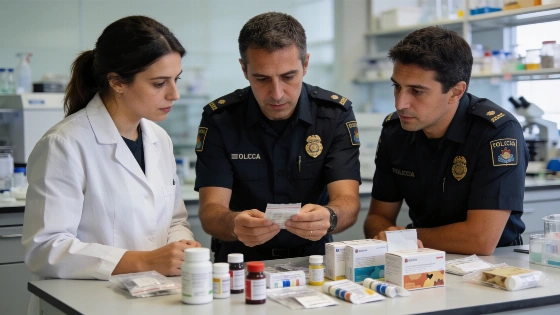
Spanish law enforcement has dismantled a clandestine laboratory in Terrassa (Barcelona) accused of manufacturing and distributing unauthorized veterinary medicines for birds. The operation, led by the Guardia Civil and the Agentes Rurales, resulted in four arrests and the seizure of 150 different pharmaceuticals, along with nearly 70 kilograms of active ingredients and over €100,000 in cash.
The suspects, aged between 42 and 76 and mostly related, were detained on July 23 during coordinated raids on the Terrassa lab and a residence in Rubí. Authorities also confiscated mobile devices, storage equipment, packaging materials, and a labeling machine. Two additional individuals, including the owner of a Badalona-based wholesaler, are under investigation for their suspected roles in the organization.
Investigators revealed that the group continued producing medicines even after their laboratory’s authorization was suspended in November 2023 and definitively revoked in January 2026. The operation, codenamed Tilosina, began after non-authorized bird products were traced from Las Palmas de Gran Canaria back to Catalonia in 2016. In 2023, further evidence surfaced during a search in Sabadell, prompting a joint investigation by SEPRONA and the Agentes Rurales’ Fauna and Flora Support Group.
The illicit products included antibiotics, antifungals, antiparasitics, digestive and intestinal infection treatments, and singing stimulants—some combining multiple active substances and others requiring veterinary prescriptions. These medicines were sold to trusted clients through closed social media groups, with payments made in cash or via bizum, and distributed to countries such as Spain, France, Germany, Belgium, the United States, and Morocco. According to transport company data, nearly 500 shipments were made over four years. The active ingredients were imported from China and India using companies lacking health authorization, and sales were disguised as food supplements on delivery notes.
On the day of the operation, 35 officers and technical staff from the Guardia Civil, Agentes Rurales, AEMPS, and veterinary services from the Generalitat and local councils participated in the raids. The four detainees face charges including crimes against public health, falsification of veterinary medicines, document fraud, smuggling, tax offenses, money laundering, industrial property violations, fraud, professional misconduct, and membership in a criminal organization.
Further questioning of the two additional suspects took place on July 28 and 31. The criminal group allegedly managed several companies, dividing administrative tasks, receipt of active ingredients, and distribution among themselves. The case remains open and is being handled by the Instruction Section of the Terrassa Court. So far, no specific cases of harm linked to these products have been identified, largely due to the covert nature of their distribution.
Illegal veterinary medicines pose significant risks, as their composition and safety are not regulated or monitored by health authorities. The Spanish Agency for Medicines and Health Products (AEMPS) regularly issues warnings about the dangers of unapproved animal drugs. Similar cases of fraud and impersonation involving the Guardia Civil have also been reported, as seen in a recent incident in Madrid where a man posed as an officer to commit fraud. The Terrassa case highlights ongoing challenges in controlling the illegal trade of veterinary products and the importance of coordinated action between law enforcement and regulatory agencies.