Spanish social media is seeing a surge in criticism of influencers. Audiences question authenticity and tire of constant advertising. Brands keep investing, but trust is eroding. The sector faces a turning point.
Spain's influencer sector is under growing pressure as audiences voice frustration over perceived inauthenticity and relentless advertising. This summer, several high-profile controversies involving figures like Violeta Mangriñán, Carliyo «El Nervio» and Roro have intensified scrutiny, with users openly questioning the value and credibility of influencer content. The debate has reignited on social platforms, where calls for accountability and discussions about the future of digital creators have become increasingly common.
Despite the backlash, recent data from the 28th edition of Navegantes en la Red shows that 56.4% of Spanish internet users still follow at least one influencer, youtuber or streamer. However, the same survey reveals a deepening crisis of trust: nearly 70% of followers believe there is excessive hidden advertising, and over 60% see most influencer posts as commercial. Almost half say influencer credibility is declining, and only 38.2% feel these personalities actually influence their purchasing decisions. The numbers suggest the phenomenon is not vanishing, but evolving under new pressures.
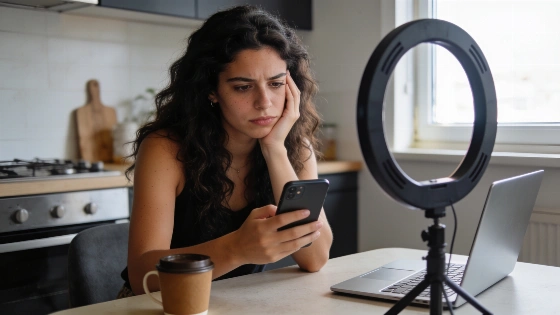
The core of the problem lies in the changing relationship between creators and their audiences. Influencers originally built their appeal on perceived closeness and authenticity, offering a more relatable alternative to traditional celebrities. Over time, this dynamic has shifted as influencer marketing became a professionalized industry. The more commercial the content, the harder it is for creators to maintain the spontaneity and trust that once set them apart. This tension is now fueling widespread fatigue among both viewers and creators.
Internationally, similar trends are emerging. As noted in a recent analysis by Vogue, both audiences and influencers are experiencing 'fatigue'—with users rejecting overly scripted, brand-driven content, and creators struggling to keep up with the demand for constant, engaging output. Platforms like Instagram and TikTok have made frequent posting a necessity for visibility, but this also increases the risk of repetitive, uninspired content. The very formula that once drove influencer growth now threatens to undermine it.
In response, the influencer marketing landscape is shifting. The once-dominant model of showcasing an aspirational lifestyle—luxury travel, fashion, and curated perfection—is giving way to new forms of authority. Audiences increasingly value specialization, expertise, and a distinct personal voice. Authenticity is now linked less to sharing private moments and more to offering genuine insight or critique. The rise of 'de-influencing', where creators advise against unnecessary purchases or challenge trends, reflects this change. Influence is not disappearing, but its language and methods are being redefined.
These developments echo themes explored in recent coverage of influencer controversies in Spain, where public reaction to figures like Carliyo «El Nervio» and Violeta Mangriñán has highlighted the sector's resilience amid criticism. While the industry continues to attract brand investment and a large following, the traditional model—built on visibility, aspiration, and constant sponsored content—appears to be losing ground. The key question is not whether influencers are fading, but which types of influencers are losing relevance.
For context, Spain's influencer economy remains robust compared to other European markets. Brands are expected to increase digital marketing budgets in the coming years, with a focus on micro-influencers and niche communities. Regulatory scrutiny over advertising transparency is also rising, as authorities seek to address concerns about hidden promotions. For audiences, the shift may mean more diverse content and a greater emphasis on expertise over image. The next phase for Spanish influencers will likely depend on their ability to rebuild trust and adapt to changing expectations, as the definition of influence itself continues to evolve.