Israel and Morocco have agreed to reopen embassies and boost economic cooperation. The deal revives diplomatic ties frozen since 2000. US support and recognition of Moroccan sovereignty over Western Sahara play a key role.
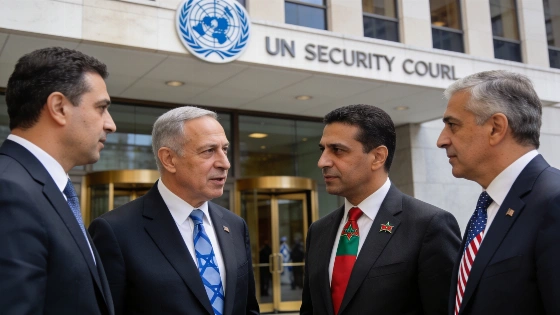
Israel and Morocco have agreed to restore full diplomatic relations, with plans to reopen embassies and increase economic cooperation. The announcement, made at the United Nations by Israel’s ambassador Danny Danon, comes after more than twenty years of limited contact between the two countries.
This step is part of the Abraham Accords, a series of normalization agreements launched in 2020 under former US President Donald Trump. The accords aimed to formalize ties between Israel and several Arab states. Morocco is now moving forward with a new phase of engagement. According to Reuters and other outlets, the latest agreement was reached during a trilateral meeting in New York with the foreign ministers of Israel and Morocco and the US representative to the UN.
The upgrade to full embassies is not the start of normalization, but a next step following the 2020 agreement to restore ties, which initially did not include an exchange of ambassadors.
At the UN, Danon spoke about the historical connection between the Jewish people and Morocco, saying that closer ties would benefit both countries. The announcement followed a summit involving Israel, Morocco, and the United States. In a joint statement, relayed by the Israeli Ministry of Foreign Affairs and cited by Al Jazeera, both sides agreed to raise their diplomatic missions to embassies and appoint ambassadors.
Under the new agreement, Israel and Morocco will reopen embassies, expand direct flights, and encourage investment. This reverses the diplomatic freeze that began in 2000, when both countries closed their foreign offices after the outbreak of the Second Intifada and rising tensions over the Israeli-Palestinian conflict. Al-Monitor reports that the practical steps include restoring direct air links and advancing cooperation in investment and taxation.
The United States remains closely involved. US ambassador Mike Waltz said the agreement also reaffirms American recognition of Morocco’s sovereignty over Western Sahara. Waltz noted that the Abraham Accords have faced challenges since their signing, and the latest developments with Morocco show their durability. Multiple sources, including Xinhua, report that the US continues to act as a mediator, with Washington's position on Western Sahara remaining central to the deal.
Diplomatic relations between Israel and Morocco were previously frozen in 2000 after the outbreak of the Second Intifada. The current agreement is seen as a restoration and deepening of ties after more than two decades of limited contact.
Progress has been gradual. Washington announced the normalization deal between Israel and Morocco in December 2020, and Israel later said it would open an embassy, but the exchange of ambassadors did not happen until now. The current agreement marks a concrete step forward. Previous announcements in 2022 about embassy openings did not lead to a formal exchange of ambassadors, as confirmed by Arab News.
For both countries, reopening embassies and expanding direct flights are expected to make business, tourism, and cultural exchange easier. The economic side is important, as mutual investment and simpler travel could open new opportunities for trade and cooperation. Al-Monitor notes that both governments are preparing to advance investment and tax agreements as part of the broader diplomatic upgrade.
The renewed partnership between Israel and Morocco shows the ongoing influence of the Abraham Accords on regional diplomacy. The US role, especially its stance on Western Sahara, remains a key factor in how these agreements develop. As embassies reopen and direct flights resume, the effects of this diplomatic thaw will become clearer, testing whether these renewed ties can deliver practical benefits in a region known for shifting alliances.