Italy is extending airport and port checks on travellers from Spain. Madrid is responding with the same measure against arrivals from Italy until 8 October.
By 31 August, Italian officers had checked more than 180,000 travellers from Spain. They refused entry to 31 people and arrested six.
That is the latest measure.
Italy will keep the checks in place for another 15 days at ports and airports. Spain is applying the same controls to travellers from Italy until 8 October. The extension was reported on 30 September and 1 October 2026, with reference to the Italian Interior Ministry.
Italy first introduced the policy on 1 August. The decision followed the arrival of at least 80,000 migrants in Ceuta on 30 July. Rome says the situation in the Spanish autonomous city has not been resolved.
Against the backdrop of the Ceuta crisis, the European Commission has proposed strengthening the EU’s external borders and expanding Frontex’s operational mandate, including faster deployment mechanisms and stronger return procedures.
Interior Minister Matteo Piantedosi consulted the Committee for Analysis of Immigration and Border Security before the latest extension. The Italian Interior Ministry says the checks will strengthen protection at European borders. It also cites national security and the need to prevent or fight possible terrorist threats.
Rome notified the European Commission and the interior ministers of EU member states. Ministry summaries cited in reports confirm that step.
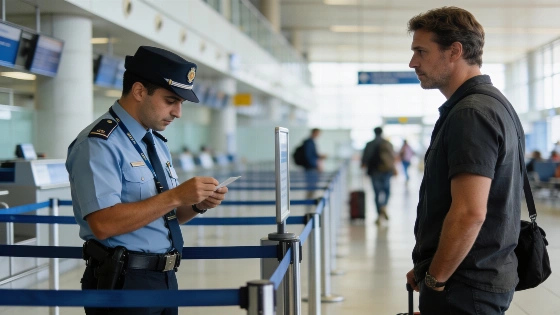
In practice, passengers arriving from Spain may face random checks at Italian ports and airports. The measure is temporary. It does not close the travel routes between Italy and Spain.
More than 180,000 checks had taken place by 31 August. Italian authorities said 31 people were refused entry. Eight were Moroccan nationals. Six people were arrested. The figures come from official Italian Interior Ministry data cited in reports.
Spain is also considering stricter rules for asylum seekers who arrived after the mass crossing into Ceuta. The proposal shows that the crisis has affected not only cross-border controls but also Madrid’s internal asylum and migration policy.
The controls also affect the Schengen free-movement arrangement between the two countries. Italy therefore notified the European Commission and the other EU interior ministers about the extension.
Madrid chose to respond in kind. Spain imposed similar checks on travellers from Italy after Rome extended its restrictions for a second time on 15 September. Reports say Madrid prolonged its own controls until 8 October.
The dispute is now public.
Spain's Foreign Minister José Manuel Albares called the Italian decision a shameful and absurd measure. Italy's Foreign Minister Antonio Tajani described Madrid's retaliation as uselessly aggressive.
The chain began with the migration episode in Ceuta. It led to repeated checks between two Schengen countries. Spain then answered with its own controls.
The numbers show that the checks are more than symbolic. Italy reported more than 180,000 inspections and 31 refusals of entry by the end of August.
Travellers may face a random inspection when arriving from Spain in Italy or from Italy in Spain. For both governments, a temporary border measure has become a continuing dispute.
Italy keeps extending the checks. Spain keeps matching them. Rome's security argument has come at a cost to free movement, while Madrid's response has spread that cost across both sides. The approach has increased political pressure without settling the Ceuta crisis.