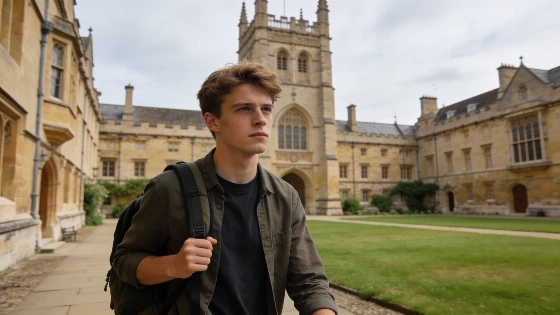
James, Earl of Wessex, is set to begin a degree in Rural Land & Property Management at the Royal Agricultural University in Cirencester, Gloucestershire, after earning the A-level results required for admission. At 18, the younger child of the Duke and Duchess of Edinburgh and youngest grandson of Queen Elizabeth II is expected to go straight from secondary education to university, without taking a gap year, a path several younger royals have followed.
The announcement came after James received his A-level results. A-levels are the United Kingdom’s basic post-16 qualifications and are commonly used for university admissions. The news arrived in a year when national A-level entries topped 900,000 for the first time. James’s individual subjects and grades have not been made public.
Founded in 1845 as the Royal Agricultural College, the Royal Agricultural University is described as the oldest agricultural institution in the English-speaking world. Its Rural Land & Property Management course covers planning and development in rural professional practice. King Charles III is linked to the university through its royal patronage, while the course’s subject matter connects with the royal family’s longstanding ties to rural estates and land management.
James has also spent part of the summer at Sandringham, the King’s privately owned estate in Norfolk, where he undertook practical farm work, including driving tractors. That experience offers a practical counterpart to a degree focused on rural land and property management. His decision to study immediately after his exams sets his route apart from the gap-year path taken by some other young royals.
James and his elder sister, Lady Louise Windsor, have generally kept a lower public profile than some of their royal cousins. They appear less often than senior working royals, and the public has had relatively little understanding into their private interests. As James reaches adulthood, his education choice has drawn attention. For now, his focus is his university course.
The university’s location in Cirencester, Gloucestershire, puts James at an institution with a long history of agricultural education and a course focused on rural land and property. Its emphasis on planning and development in professional practice aligns with the farm work he undertook at Sandringham and the royal family’s connections to countryside estates.
James’s route also differs from the gap-year pattern followed by several younger members of the family, though his choice does not establish a new policy for royal education. His work at Sandringham before university has drawn added attention to the practical side of his plans. The decision recalls other public figures who have discussed the pressures of high-profile family life, including Jordi Sànchez, who reflected on the personal impact of public scrutiny in his account of life after the 1-O trial.
As James prepares to begin his studies in September, the immediate key stage is his move from A-levels to the Royal Agricultural University. His university destination is set; any role he may take on in public life during or after his studies remains a separate question from this education decision.