San Fermín 2026 ends with a high-speed, high-risk bull run in Pamplona. Jandilla bulls, known for their danger, replace Miura for the closing event. Over 60 injuries mark this year’s festival.
The final day of San Fermín 2026 in Pamplona saw the festival’s most anticipated and hazardous bull run, as the Jandilla herd took center stage for the closing encierro. This year, organizers broke with the long-standing tradition of ending the festivities with Miura bulls, instead handing the finale to Jandilla—cattle renowned for their combination of raw power and unpredictable speed. The decision added a new layer of tension to an already charged atmosphere, with thousands crowding the historic streets to witness the event.
Throughout the eight days of San Fermín, runners faced some of the fastest encierros in recent memory. The shortest run clocked in at just 2 minutes and 16 seconds, while the longest stretched to 2 minutes and 36 seconds. The pace, set by the bulls’ relentless charge through Pamplona’s old town, left little margin for error. According to official figures, more than 60 people were injured during the seven previous runs, including three who suffered gorings. The Jandilla bulls, with a reputation for both bravery and noble lineage, have historically averaged two injuries per run—underscoring the risks for participants.
This year’s Jandilla lineup included seven bulls: 'Pañero' (555 kg), 'Chismoso' (575 kg), 'Zarabanda' (590 kg), 'Oyente' (580 kg), 'Recitador' (590 kg), 'Castigado' (565 kg), and 'Adinerado' (600 kg), as reported by Efe. The animals were transported from Extremadura, continuing a tradition that has seen Jandilla reach its 25th appearance at San Fermín. Notably, a Jandilla bull was responsible for the last fatal goring at the festival in 2009, a fact that remains etched in the collective memory of Pamplona’s runners.
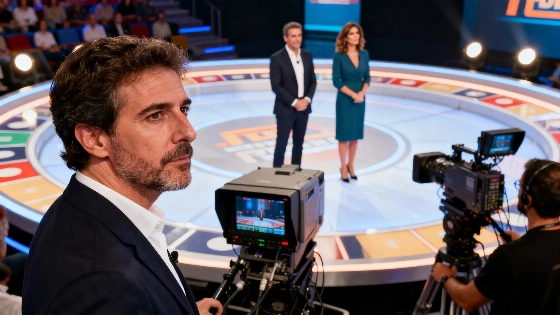
Coverage of the final encierro was extensive, with Ana Prada and Julian Iantzi launching the last special edition of 'Vive San Fermín' on TVE. The broadcast began early on La 1, offering viewers a comprehensive lead-up to the 8:00 a.m. start. For the first time, audiences could follow the action live across La 1, the 24 Horas channel, RTVE Play’s new multicamera streaming, and RNE’s radio coverage. The expanded media presence built on innovations introduced earlier in the festival, as detailed in recent reports on the enhanced live coverage and streaming options.
Jandilla’s role in closing San Fermín 2026 marks a significant shift in the festival’s traditions. The Miura bulls, who ran on Monday, typically hold the final slot, but this year’s change reflects evolving approaches to the event’s organization. The Jandilla herd’s reputation for danger is well established, with their combination of speed and unpredictability making them a formidable presence on the streets. The festival’s global profile continues to grow, drawing visitors and media attention from around the world. San Fermín remains one of Spain’s most iconic and closely watched celebrations, blending centuries-old rituals with modern spectacle and risk.
For context, San Fermín is held annually in Pamplona, attracting tens of thousands of participants and spectators. The encierro, or running of the bulls, is the festival’s most famous event, with runners—known as mozos and mozas—testing their nerve and agility against the charging animals. The event is deeply rooted in local culture and has inspired literature, film, and debate about tradition and safety. Each year, the festival’s organization, security measures, and media coverage evolve, reflecting both the enduring appeal and the ongoing challenges of maintaining such a high-profile public event.