
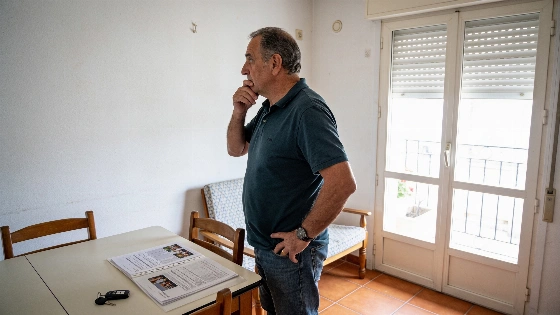
Joan Baldoví, a leading figure in Compromís, reported personal wealth of over 638000 euros and multiple properties as he left Madrid to run for office in Valencia. His declaration contrasts sharply with his party’s stance on inherited wealth.
When Joan Baldoví left the Congress of Deputies in 2023, he declared assets worth 638,716 euros, including three homes and 265,000 euros in the bank. He said most of the wealth came from family inheritance. The disclosure drew attention given Compromís’s opposition to softer inheritance tax rules.
The list also included a garage and a storage unit. It recorded three plots of land, along with two vehicles. An earlier report by Las Provincias estimated Baldoví’s assets at 345,000 euros, highlighting how they had grown during his years in politics.
Compromís and other left-wing parties in Spain have made inherited wealth a target. While they held power in the Generalitat Valenciana, they refused to cut inheritance taxes. The 99% tax reduction came only after the right took over. Baldoví’s wealth puts the gap between party slogans and personal reality in sharp focus.
Baldoví’s 2023 declaration lists half-shares in three homes and a commercial space in Valencia. The shares were valued at 87,135 euros, 84,569 euros and 62,020 euros; the commercial space was worth 5,243 euros. He also holds a 41.66% share in a rural property worth 6,749 euros. His other assets include a Dacia Dokker valued at 8,000 euros and 80,000 euros in Treasury bills, as well as rural land worth 40,000 euros and 265,000 euros in bank accounts. He reported no debts.
Baldoví entered politics as a local councillor in 1999, then became mayor before moving to Madrid. During his years in the national parliament, his assets nearly tripled. By the time he returned to Valencia, his finances differed sharply from the modest image his party often projects. Las Provincias reported that Baldoví has publicly attributed much of the increase to inheritances received after his aunt and father died, when their properties passed to the family.
No one is claiming Baldoví’s fortune came from anything other than legal inheritance. Still, the optics are difficult: when a party builds its brand on fighting privilege and defending higher taxes on inheritance, a leader with large inherited wealth will face questions.
This is a recurring problem in Spanish politics. The gap between what parties say and what their leaders do keeps resurfacing. Baldoví’s case shows how personal finances can become a political headache for Compromís, which must confront the difference between its message and the reality at the top.