Jorge Lorenzo describes the uncompromising upbringing that shaped his career. The MotoGP legend reflects on his father's strict approach, the personal cost, and why he would not trade his titles for a different childhood.
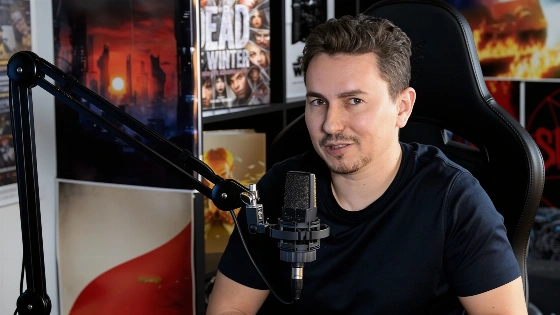
Jorge Lorenzo, five-time world champion and one of MotoGP’s most recognizable figures, has spoken candidly about the relentless discipline imposed by his father, Chicho Lorenzo. In a rare moment of openness, Lorenzo described his upbringing as marked by extreme rigor, saying his father was “a hitleriano total” with an unyielding and stubborn character.
From early childhood, Lorenzo’s life was engineered around racing. Chicho Lorenzo’s ambition was clear: to turn his son into a champion, whatever the personal cost. The training regime was intense, often compared by Jorge to the strict routines of Russian gymnasts. “He was very tough, very intransigent, very stubborn,” Lorenzo recalled, emphasizing that his father’s approach left little room for compromise or comfort.
Chicho’s methods extended beyond the racetrack. He enrolled Jorge in karate and gymnastics in Mallorca, and even studied swimming coaches to accelerate his son’s development. Every detail was scrutinized. “If I didn’t take a corner with enough throttle, we would repeat it until I got it right,” Lorenzo remembered. The focus was always on perfection, not enjoyment.
Despite the severity, Jorge admits he was driven by a single goal: to become world champion. “I didn’t like riding motorcycles—I liked winning,” he said. The family dynamic reflected this obsession. When his parents separated, Jorge chose to live with his father, fully aware that life with his mother would have offered more affection but less discipline.
Father and Son: More Than a Team
The relationship between Jorge and Chicho Lorenzo was defined by their shared pursuit of victory. Their bond often resembled that of athlete and coach rather than father and son. “The best gift he could give me was another motorcycle,” Jorge explained. Traditional tokens of affection were rare. Even a PlayStation, which Chicho despised as a “dumb box,” was only purchased so Jorge could memorize circuits before international competitions, not for entertainment.
Yet, Lorenzo insists he would not change his upbringing. “My father pushed me so hard that I had no choice but to become very tough, to build a shell,” he said. The discipline, he believes, allowed him to retire at 32, a rare feat in the sport.
Distance and Reconciliation
The cost of this relentless focus was emotional distance. Jorge and his father spent years estranged, with their relationship strained by resentment over Chicho’s methods. “He gave me everything I am professionally, but I thought he could have done it with a bit more affection,” Lorenzo reflected. Their first reconciliation came in 2009 after four or five years apart. Since then, both have worked to build a more balanced relationship, away from the pressures of competition.
Stories of intense parental involvement in sports are not unique to MotoGP. In Spain, debates about the impact of such discipline on young athletes continue, especially as new projects—like the construction of major sports facilities—raise questions about the balance between ambition and well-being. For example, the recent plans for a Chinese automaker’s electric car plant in Galicia have sparked national discussion about priorities and the long-term effects of high-pressure environments on families and communities, as explored in this analysis of industrial development and its social impact.
Lorenzo’s story is a reminder of the sacrifices behind sporting greatness. While his father’s methods remain controversial, the results are undeniable: a career defined by discipline, resilience, and a legacy that continues to shape Spanish motorsport.