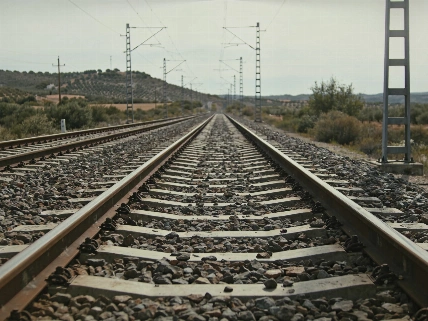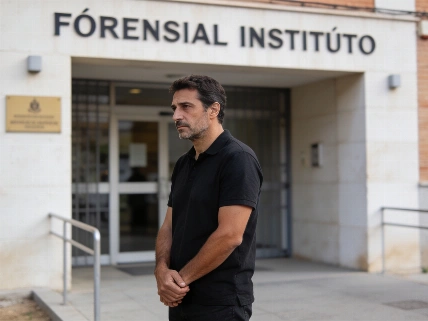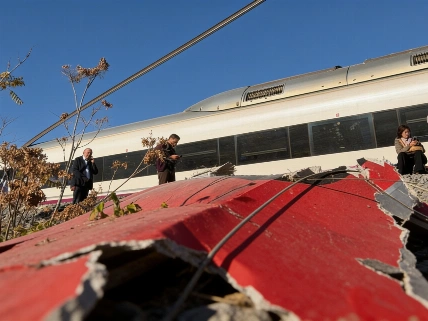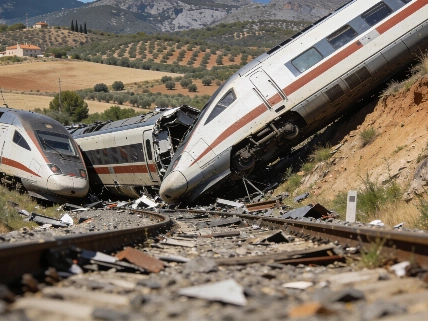
The death toll from the Urda train collision had reached 69, according to the report. Toledo’s Institute of Legal Medicine had completed 65 autopsies, and by Friday, 30 October 2026, families had been notified of 12 identifications. Authorities confirmed that Juan Ignacio López Espinosa was among those killed. He was 63.
López Espinosa was returning to Galicia from a work trip. La Voz de Galicia reported that he was travelling on the AVE train in seat 17D, in carriage seven, when it collided with the Iryo service.
His family travelled to Urda after losing contact with him and waited for news. Their search was part of wider efforts by relatives to locate missing passengers, as described in an earlier report on missing passengers. By 29 October, the Civil Guard had received 64 complaints from families seeking information about missing passengers.
He graduated in architecture in Madrid and spent a decade as a territorial director for north-west Spain at a construction company. A later job took him regularly to Málaga, prompting frequent rail journeys between the city and Galicia. His family connections were in A Coruña, while his work and travel linked him to Málaga.
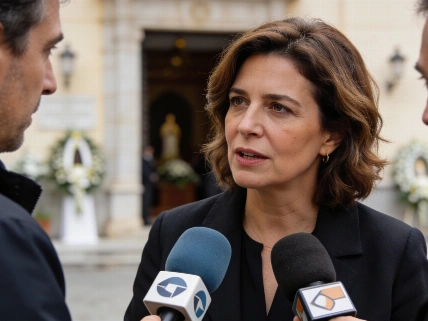
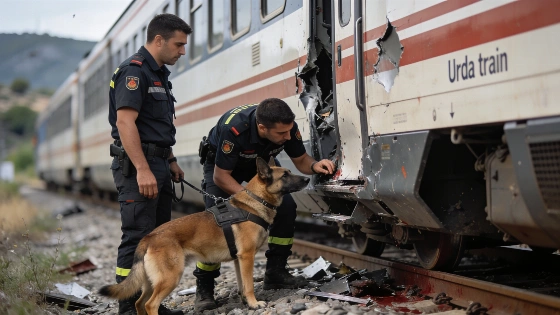
On Friday, four canine guides and four dogs returned to search the crash site. A canine unit had worked there on Thursday. During the second consecutive night of operations on 29 October, Civil Guard and UME canine teams worked alongside drones and Judicial Police personnel. The Civil Guard’s criminalistics unit and Judicial Police resumed collecting evidence for the investigation. Teresa Albacete, spokesperson for the Toledo Civil Guard Command, said the search aimed to establish that nobody remained in the carriages.
By Saturday, 31 October, the death toll remained 69, and the forensic institutes in Toledo and Ciudad Real had completed all autopsies. The Centro Integrado de Datos reported that 36 victims had been identified and families had been notified of 27 identifications: 18 men and nine women. The Civil Guard resumed work at the crash site, searching for possible biological remains or missing people and gathering evidence. Judicial Police returned, while the Criminalistics Service assisted with victim identification.
The collision was subject to a criminal investigation and a separate technical accident inquiry. The Guardia Civil and Judicial Police handled evidence and investigative work. Technical reconstruction was assigned to AITAT, the independent authority for investigating accidents and incidents involving railways, maritime transport or civil aviation. AITAT replaced the former railway accident investigation commission, CIAF, in July 2026.