A Madrid court will investigate the leak of José Luis Rodríguez Zapatero’s personal agendas and messages. Sensitive details appeared in a UDEF report and were widely published. Judge Calama has now limited access to the case files.
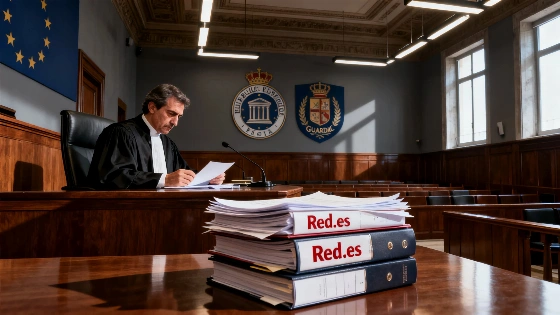
Judge José Luis Calama has launched a judicial investigation to identify those responsible for leaking the personal agendas and messages of former Prime Minister José Luis Rodríguez Zapatero. The move follows the publication of confidential details from a UDEF (Unidad de Delincuencia Económica y Fiscal) report, which were disseminated by several media outlets and included information unrelated to the ongoing legal proceedings.
The leak exposed private meetings and communications, some involving current Prime Minister Pedro Sánchez, and quickly became headline news. According to the published agendas, Zapatero met with Sánchez at least ten times in 2024 and 2025, often to discuss political matters such as the situation with Puigdemont and foreign policy. Media coverage, including reports from El Español and El Confidencial, highlighted these contacts and suggested, without direct evidence, that Zapatero’s influence may have benefited his business interests. The language used in some articles implied a connection between political access and financial gain, fueling public speculation.
Judge Calama, aware of the recurring issue of leaks in high-profile cases at the Audiencia Nacional, responded by requesting that a Madrid court investigate the unauthorized disclosure. He cited potential criminal offenses, particularly the revelation of secret procedural actions or confidential information. Calama also questioned why steps were not taken earlier to prevent the release of personal data unrelated to the case, such as instructing police to redact sensitive material before it reached the parties involved.
Following the incident, Calama decided to restrict access to the virtual case files. Only the Partido Popular, which leads the popular accusations, will retain access, alongside other groups such as Vox, Manos Limpias, Hazte Oír, Iustitia Europa, and Liberum. These organizations have been active in legal actions targeting figures close to the government, including Begoña Gómez and David Sánchez.
The agendas, seized during a police search of Zapatero’s office on May 19, contained not only political meetings but also personal details. Media outlets published trivial information, such as Zapatero’s regular visits to the hairdresser, dinners with television presenter Javier Ruiz and his partner Sarah Santaolalla, and messages about arranging interviews with El Plural. These details, while irrelevant to the investigation, were used to generate further headlines.
The leak reflects a broader trend in Spanish judicial cases, where being implicated in a high-profile investigation often leads to the erosion of privacy rights. Personal data from seized devices frequently ends up in the press, regardless of its relevance. While some judges remain passive, Calama’s decision to seek accountability for the leak stands out, though such inquiries rarely result in identifying the source.
In Spain, the handling of confidential information in judicial cases has been a recurring concern. The Audiencia Nacional, as a central criminal court, often deals with politically sensitive matters, making it a focal point for both legal and media scrutiny. The UDEF, responsible for investigating economic crimes, regularly produces reports that become part of high-profile cases. The involvement of political parties and activist groups in legal proceedings adds further complexity, as access to case files can be used for political leverage. The current case underscores ongoing challenges in balancing transparency, privacy, and the integrity of judicial processes.