A Madrid judge has closed the investigation into Miguel Ángel Rodríguez for allegedly sharing journalists' identities. The PSOE claims the probe was biased and is appealing the decision. The case raises questions about police involvement.
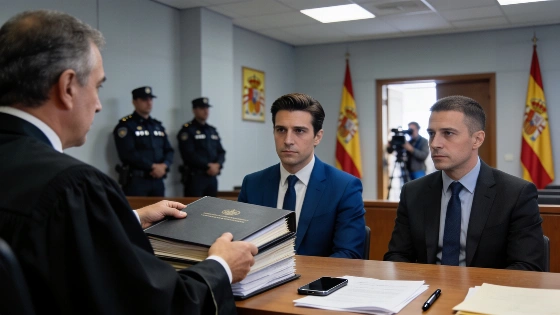
The Madrid courts have closed the case against Miguel Ángel Rodríguez, chief of staff to Isabel Díaz Ayuso, over the alleged disclosure of two El País journalists' identities. Judge Raquel Robles ended the investigation without hearing testimony from the police officers suspected of providing Rodríguez with the journalists' personal data. This move has triggered a direct appeal from the PSOE, which argues that the judicial process was incomplete and biased in favor of the accused.
The controversy centers on whether the journalists' information was obtained through police action or from a private citizen. Rodríguez and Alberto González Amador, Ayuso's partner, told the court that a neighbor took the photo of the journalists and passed it to González Amador, who then forwarded it to Rodríguez. Both admitted to deleting the WhatsApp conversation containing the image, a detail the PSOE highlights as suspicious, especially given their previous criticism of similar behavior by public officials.
The PSOE's legal filing points out that neither the police officers involved nor the supposed neighbor who took the photo were questioned before the case was closed. The party insists that if the data originated from police identification, it could constitute a criminal offense. The judge initially summoned the officers as witnesses but later suspended their appearance, considering whether they should be treated as suspects. Before resolving this, she closed the case, leaving key questions unanswered.
According to the PSOE, the documentation provided by González Amador after his testimony was inconsistent and failed to clarify the timeline or the participants in the alleged conversations. The party also notes that the journalists involved, along with a colleague, confirmed that their identification on the street was carried out by police, and that a police report acknowledging this was included in the case file. The PSOE argues that the judge's decision to end the investigation prematurely favored the defense and neglected crucial lines of inquiry.
This legal dispute comes amid heightened scrutiny of political figures and judicial processes in Spain. Similar tensions have surfaced in other high-profile cases, such as the recent prosecution of two individuals for an attack on the PSOE headquarters in Cantabria, which highlighted the risks of political violence and the challenges facing the justice system. For more on the broader context of political cases in Spain, see this report on the Cantabria PSOE headquarters attack.
Spain's legal framework treats the unauthorized disclosure of personal data by public officials as a serious offense, especially when it involves journalists. The case against Rodríguez has drawn attention to the procedures followed by the judiciary in politically sensitive matters and the standards for evidence preservation. The Supreme Court has previously criticized the deletion of potentially relevant communications in similar cases, underscoring the importance of transparency and accountability. As the appeal moves to the Provincial Court, the outcome may set a precedent for how such allegations are handled in the future, particularly regarding the role of police and the responsibilities of public officials in safeguarding personal information.