A Barcelona judge has demanded a full police report on Jonathan Andic’s rapid trip to Quito after his father’s fatal fall. Investigators are focusing on the disappearance of Andic’s phone and his financial activity during the 48-hour journey.
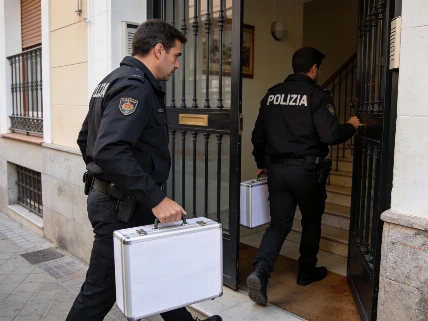
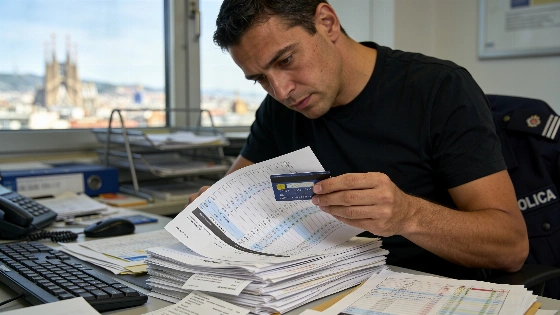
The investigation into Isak Andic’s death has shifted focus after Judge Raquel Nieto instructed the Mossos d’Esquadra to examine every detail of Jonathan Andic’s brief trip to Ecuador. The court is now looking closely at the disappearance of Jonathan’s iPhone 14, which could contain evidence relevant to the parricide case. The judge has ordered police to track all credit card transactions, calls made from Ecuador, and to check whether the phone’s location app was used during the trip.
Jonathan Andic, the eldest son of Mango’s founder, flew from Barcelona to Quito on 24 March 2025, four months after his father’s fatal fall from nearly 100 meters in Montserrat. He returned two days later. His defense says the phone was stolen in a public square in Quito, but no police report was filed. Instead, Jonathan told his secretary at Mango about the loss. The missing phone is now one of seven factors the judge cited when imposing provisional prison with bail after his arrest in May.
Jonathan Andic was arrested by Mossos d’Esquadra on May 19, 2026, on suspicion of homicide, and released on €1 million bail with restrictions including passport confiscation and mandatory check-ins.
Police suspicions grew when they found that Jonathan’s Health app, which tracks steps, was inactive both in Spain and Ecuador on the day of the trip—something that hadn’t happened before. Investigators think this could mean the phone never left Spain or was turned off to erase messages with his father and other relatives. The timing of the phone’s disappearance also matched media reports about the case being reopened, raising more questions about Jonathan’s motives.
The defense has pushed back. Lawyer Cristóbal Martell argues that losing a phone in a Quito square is common, pointing to local theft rates. He also notes that the trip happened almost three weeks after the media coverage, which he says weakens claims of a panicked response. The defense insists Jonathan did not erase any data, only that he failed to restore WhatsApp backups, and says there is no proof he ever enabled them.
Jonathan had asked Mango for a new iPhone 16 months before the Ecuador trip but only picked it up after reporting the loss. Investigators see this as a possible attempt to wipe data. The defense’s private detective, Paco Marco, provided a list of calls made from Ecuador, challenging the police claim that the phone was never active there. The Mossos, however, found no official report of the theft, which the judge noted matched Jonathan’s failure to file a complaint.
According to Spanish and French press reports, the investigation was initially treated as an accident, but was reclassified as a homicide case after new evidence emerged, including family conflicts, possible financial motives, and repeated visits by Jonathan Andic’s car to the Montserrat area before the tragedy.
Messages between Isak and Jonathan, saved on the late founder’s phone, show a strained relationship and attempts at therapy, but not all messages have been recovered. There is still no direct proof of what happened in Montserrat, leaving the case between the prosecution’s homicide theory and the defense’s claim of a tragic accident.
As the court reviews the evidence, the Andic case has become a test of how Spanish authorities handle high-profile family deaths. The judge’s demand for detailed checks of digital and financial records marks a stricter approach in these investigations. This mirrors the close scrutiny seen in other recent legal disputes, such as the Luján estate case, where every detail was examined for motive and opportunity.
What stands out in the Andic case is the clash between privilege and legal process. The court’s refusal to accept unverified explanations sets a new standard for cases involving Spain’s business elite. As the investigation continues, the message is clear: even the most powerful families face close scrutiny when the stakes are this high.