A Santiago judge has recommended a full pardon for Francisco Garzón Amo, the Alvia train driver convicted after the 2013 derailment. The court cites serious safety problems at the Angrois curve and calls for fairness in the decision.
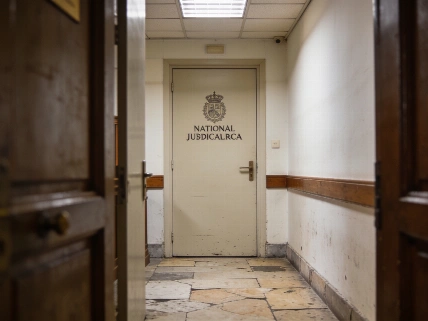
The only person convicted after the deadly Alvia train derailment in Santiago may soon be released, as the presiding judge has formally backed a full pardon for Francisco Garzón Amo. More than a decade after the 2013 disaster that killed 79 and injured 143, this marks a major turn in the legal process around Spain’s worst rail tragedy in recent years. According to the Consejo General del Poder Judicial, the Santiago court has started the formal execution of the sentence, a key procedural step in the case.
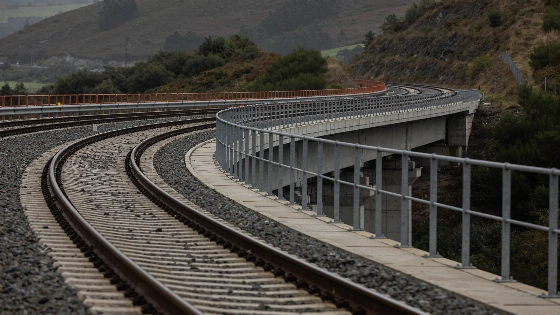
Judge María Elena Fernández Currás, who led the lengthy trial, has now agreed with the prosecution’s recent request to clear Garzón’s sentence. Her decision, sent to the Ministry of Justice, argues that both justice and fairness call for clemency for the retired train driver. In her report, she points directly to the dangerous design and poor signaling of the Angrois curve as a central cause of the crash, not just the driver’s mistake. The prosecution, however, has only supported a partial pardon, as confirmed by the Santiago district prosecutor in early September 2026.
The court in Santiago has formally begun executing the Alvia sentence and is separately considering suspending or reducing the train driver’s prison term, pending the outcome of the pardon request.
Consejo General del Poder Judicial
Garzón, now 65 and dealing with a respiratory illness, was sentenced in 2023 to two and a half years in prison for gross negligence. The judge notes that he has no prior criminal record, is already retired, and has paid or nearly paid all civil liabilities through RENFE’s insurer. She writes that the risk of reoffending is almost zero. The judge also mentions Garzón’s ongoing care for his disabled mother, a point prosecutors have cited as a reason for leniency. Both the court and prosecution have pointed to humanitarian factors—age, health, and family obligations—as grounds for clemency.
The push for a pardon began with the Semaf train drivers’ union, which has consistently argued that Garzón was a professional caught in a flawed system. The Ministry of Justice will make the final decision, but the judge’s recommendation, while not binding, carries weight in Spain’s legal process. As of September 8, 2026, the judge has already submitted a favorable report, but the outcome now depends on the Ministry, as noted in recent Spanish legal coverage.
What stands out in this case is the judge’s insistence that the disaster was not only the result of Garzón’s error. Her original verdict stressed that the curve at A Grandeira in Angrois was dangerously under-protected, lacking proper warning systems to prevent excessive speed. She maintains that these infrastructure problems were never fully addressed in the appeals process, even as the only other defendant, former Adif safety director Andrés Cortabitarte, was acquitted after the prosecution dropped charges against him.
Recent legal documents clarify that the issue of Garzón’s pardon arose only after the sentence became final and the court began its execution. This timing explains why the debate over suspending or reducing his prison term has intensified now, more than a decade after the accident.
Legal reporting from Galicia
Throughout the proceedings, the court has noted Garzón’s remorse. The judge points out that some victims themselves have supported the pardon, recognizing that the moral burden on the driver will last a lifetime, regardless of whether he serves prison time.
Spain’s legal system has faced criticism for its handling of high-profile cases involving public safety and infrastructure. As reported earlier, judicial decisions on national issues often spark debate about accountability and the limits of individual responsibility.
The Alvia case highlights the ongoing tension between human error and systemic failure in Spain’s transport sector. The judge’s position makes clear that punishing a single worker does not address deeper flaws in rail safety. If the pardon is granted, it will close Garzón’s legal ordeal and serve as a reminder that justice in such tragedies requires confronting the institutional problems that allowed the disaster to happen.